Ueno Zoo has a long history, but in the last 10 years in particular, it has achieved great success in the conservation of rare Japanese wild animals.
First, steady progress has been made in the conservation of the Japanese Rock Ptarmigan. Beginning with Ueno Ueno Zoo 's efforts in 2008 to artificially incubate and raise eggs of the closely related Svalbard Rock Ptarmigan, which were imported from Norway, the zoo collaborated with the Ministry of the Environment, other zoos in Japan, and research institutions working on conservation in their habitats. In 2015, they began efforts to artificially incubate and raise eggs collected from the wild, and even to breed them in captivity. Seven years have passed since then, and the technology for breeding them in captivity has been almost established.
Currently, they are tackling new challenges Rock Ptarmigan such as developing technologies to release captive-raised Rock Ptarmigan into the wild. In particular, Ueno Zoo is playing a role in developing technologies necessary for exchanging genes between wild and captive Rock Ptarmigan, such as low-temperature preservation and transportation of semen, and is constantly experimenting and refining its methods.
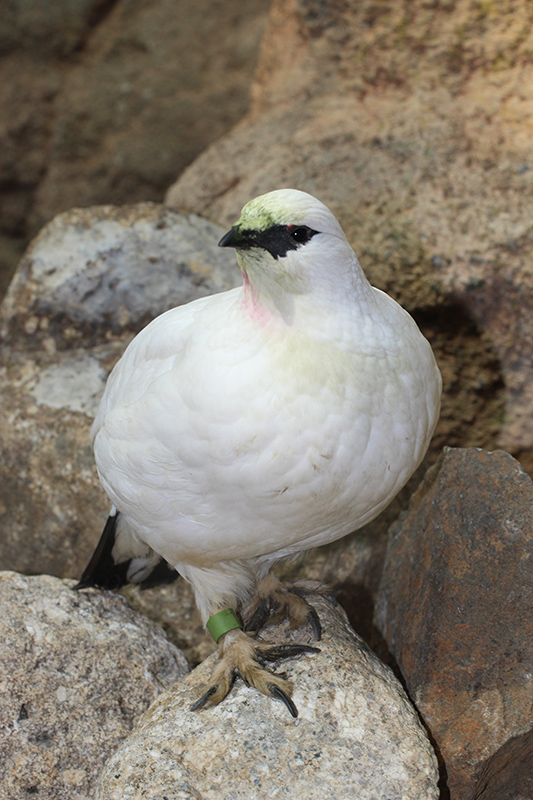 | 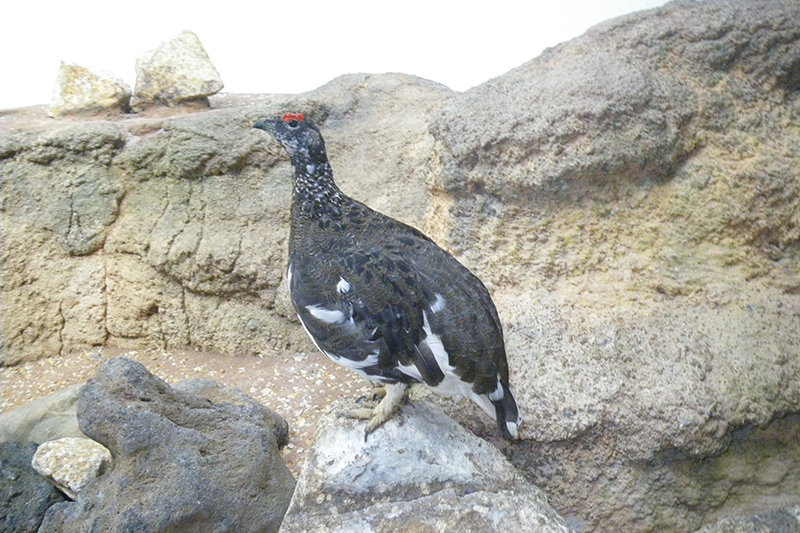 |
| Rock Ptarmigan (male in winter plumage) | Rock Ptarmigan (male in summer plumage) |
Among the rare wild animals of the Ogasawara Islands are Red-headed Wood Pigeon and the land snail, Land Snail. In addition to breeding efforts, we are also working to raise awareness through regular lectures and exhibits of live specimens combined with panels, continuing to convey the importance of conservation to many people.
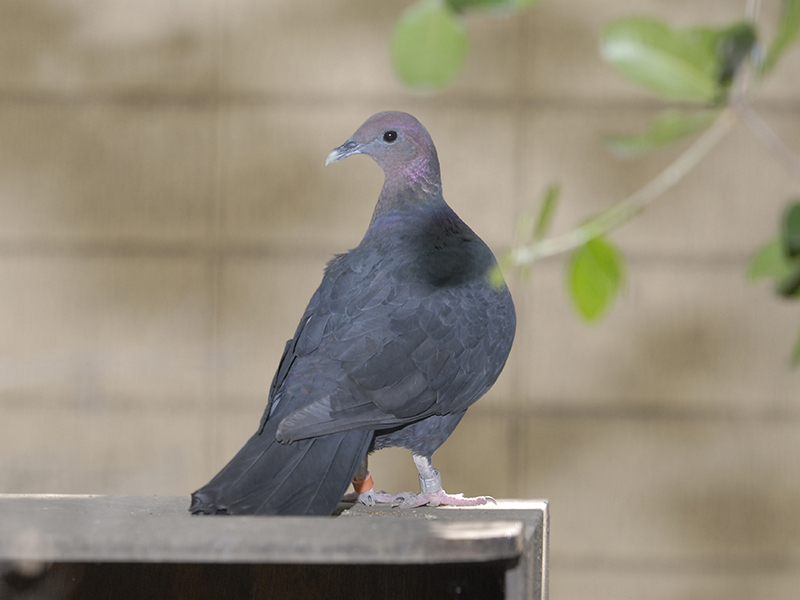 | 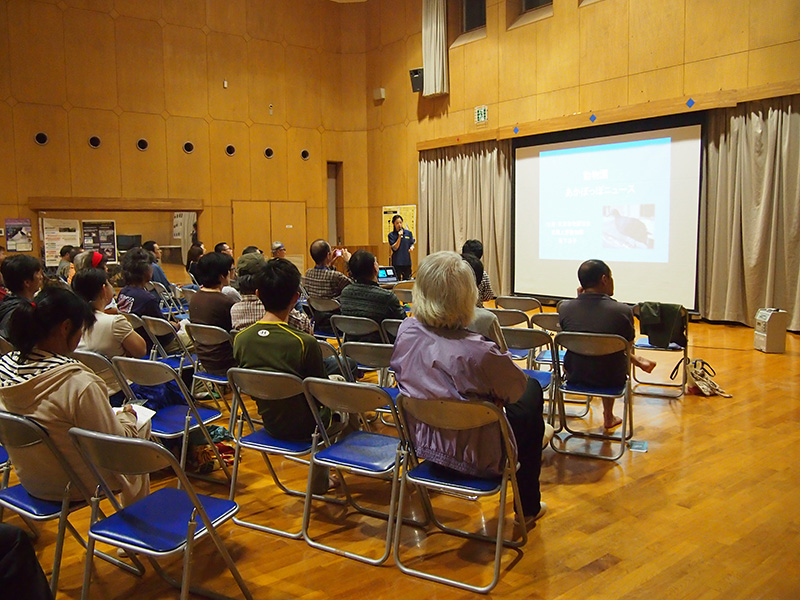 |
| Red-headed Wood Pigeon | Lecture on Red-headed Wood Pigeon in the Ogasawara Islands |
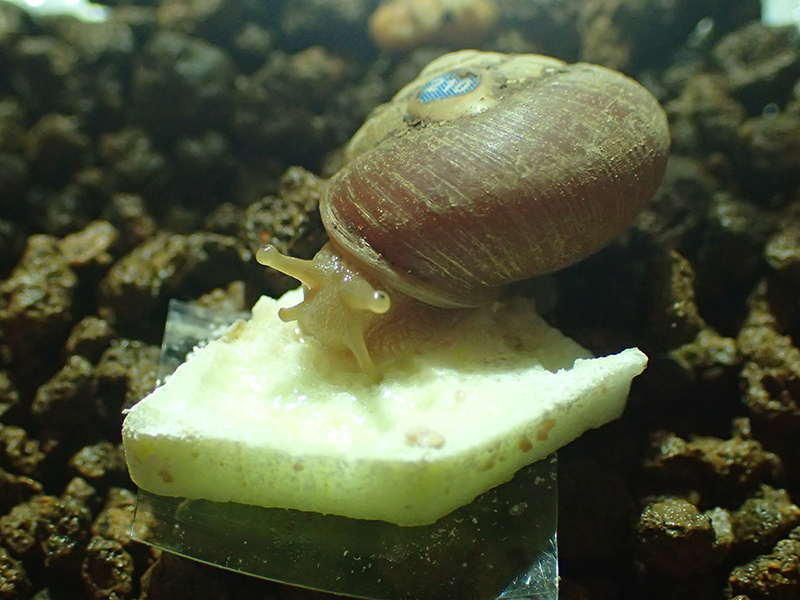 | 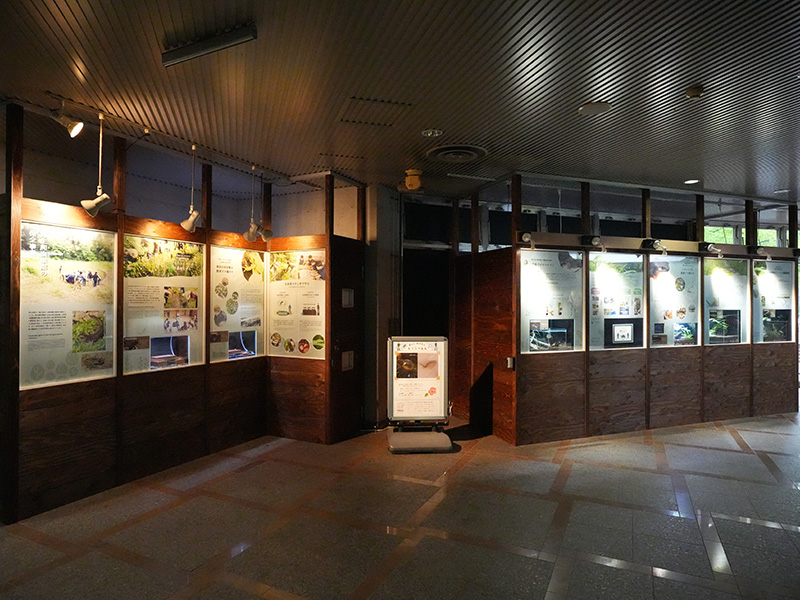 |
| Land Snail | At Vivarium, you can see snails such as Land Snail
An area displaying and explaining rare creatures. |
The Ogasawara Islands are part of Tokyo, and it is a natural responsibility for Tokyo zoos to protect the rare animals of the Ogasawara Islands. In the Ogasawara Islands, the Bonin Greenfinch is currently one of the birds that needs to be newly conserved.
The Ogasawara Greenfinch is said to be one of the birds at the highest risk of extinction in all of Japan, and urgent measures are needed to conserve it. Ueno Zoo, as a key player in conservation efforts, is working together with the islanders who are dedicated to breeding and raising the birds in the Ogasawara Islands, providing advice based on the knowledge it has accumulated through raising closely related species such as the Oriental Greenfinch, in an effort to prevent its extinction.
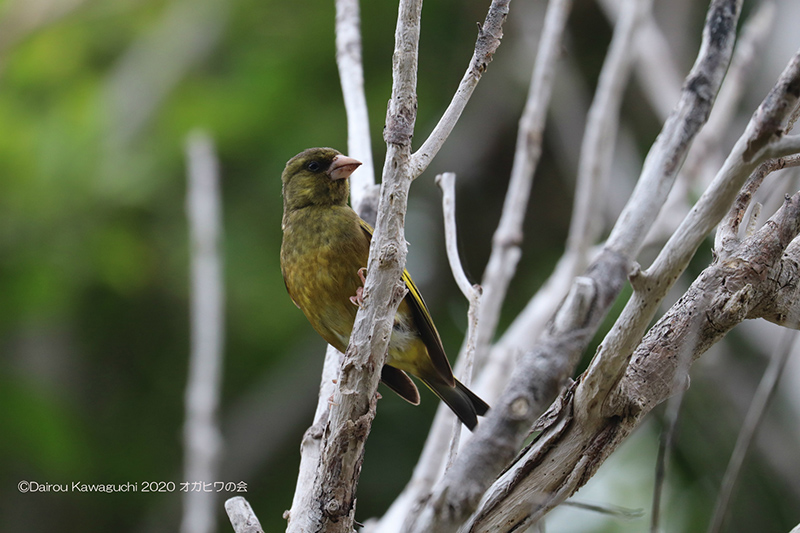 | 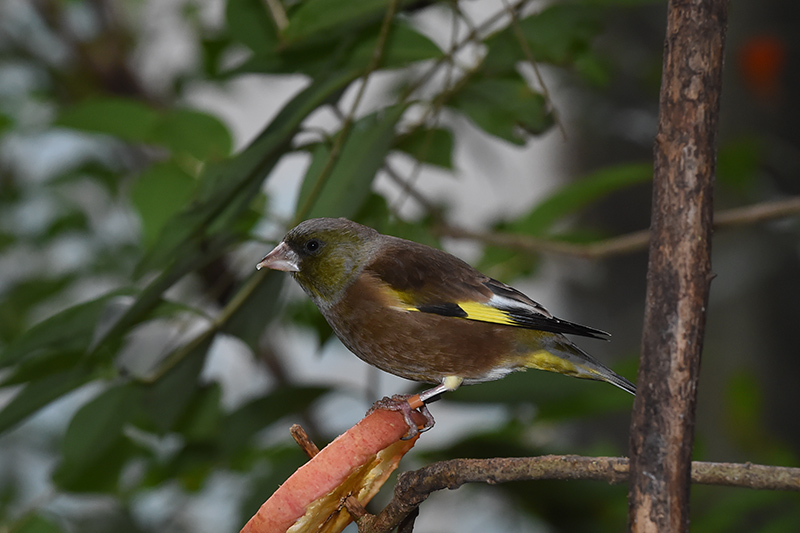 |
The Ogasawara Greenfinch, endemic to the Ogasawara Islands.
(Photo courtesy of Islands Care, a general incorporated association) | Oriental Greenfinch kept at Ueno Zoo
(Subspecies: Oriental Greenfinch) |
There is no end to wildlife conservation efforts. Ueno Ueno Zoo will continue to work step by step in cooperation with many people.
[Yasumasa Tomita, Deputy director and Head of Animal Care and Exhibition Department, Ueno Ueno Zoo]
(August 1, 2022)