Ueno Zoo In this series of articles, we look back on the 10 years since 2012 as a project to commemorate the 140th anniversary of the park's opening. In this fourth installment, we will focus on the "veterinary staff," who are in charge of treating injured or sick animals in the park.
The past 10 years have seen some major events for the veterinary staff. The veterinary hospital was newly rebuilt. East Garden This is the "Veterinary Medical Center" located in front of the sea lion pond at the "Municipal Animal Hospital". The basic design of this building was completed exactly 10 years ago in 2012.
The old veterinary hospital used at that time was designed by a veterinarian who used to work at Ueno Zoo and started using it in March 1973. Located behind the current Saruyama Kitchen, it had an office, treatment rooms, examination rooms, hospitalization rooms, and medicine rooms on the second floor with the main entrance, and a dissection room, X-ray room, and hospitalization rooms for large animals such as tigers on the first floor. Across the street was a "quarantine building" for quarantine and hospitalization. Western Gorilla It was also equipped with a quarantine room for apes, which was created when quarantining "Haoko". It was designed by an active zoo veterinarian and was very well thought out, but in addition to aging, it was no longer able to cope with the daily advances in veterinary medicine in terms of functionality. The plan was to build a new veterinary hospital.
In designing the new veterinary hospital, we placed great importance on the need to respond to increasingly sophisticated veterinary medical care. As veterinary medicine was developing at the same pace as human medicine, the zoo was making efforts to upgrade its existing medical equipment to the latest technology, but when advanced veterinary care or tests were required that could not be provided by the new hospital, animals were transported to a veterinary university hospital. However, in cases where advanced veterinary care and examinations were required that could not be provided by the new veterinary hospital, the animals were transported to a hospital affiliated with a veterinary university. With this in mind, the veterinary hospital staff at the time visited various veterinary hospitals and facilities in Japan and overseas, and went to medical equipment exhibitions to gather information and make repeated studies.
The result was the current Veterinary Medical Center. Since taking over the role of the old hospital in March 2016, 43 years after it was first used, we have examined and treated a wide variety of animals, large and small. The hospital's design, which reexamined the work flow based on the hospital's experience, and the increased floor space of 1.8 times the total floor area have made it easier to examine and treat large animals such as tigers at the veterinary center, which were previously often examined and treated at breeding sites. The improved diagnostic accuracy of the medical equipment, including a CT scan device introduced in 2018, has greatly contributed to the early detection and treatment of animals' illnesses.
It goes without saying that while the Veterinary Medical Center is improving its facilities, the skills of the veterinarians who handle them are also indispensable. In the past, senior veterinarians faced the lives of animals in front of them, took on new challenges, and developed veterinary medicine for zoos and wild animals, even though they did not have as much advanced equipment and information as we do now. We, the current veterinarians, have inherited their will and will continue to support animal health by using our five senses and well-equipped medical equipment. We will continue to take on the challenge of further developing medical technology for zoo and wild animals.
[Ueno Zoo Veterinary Hospital Section Yuzo Hirano]
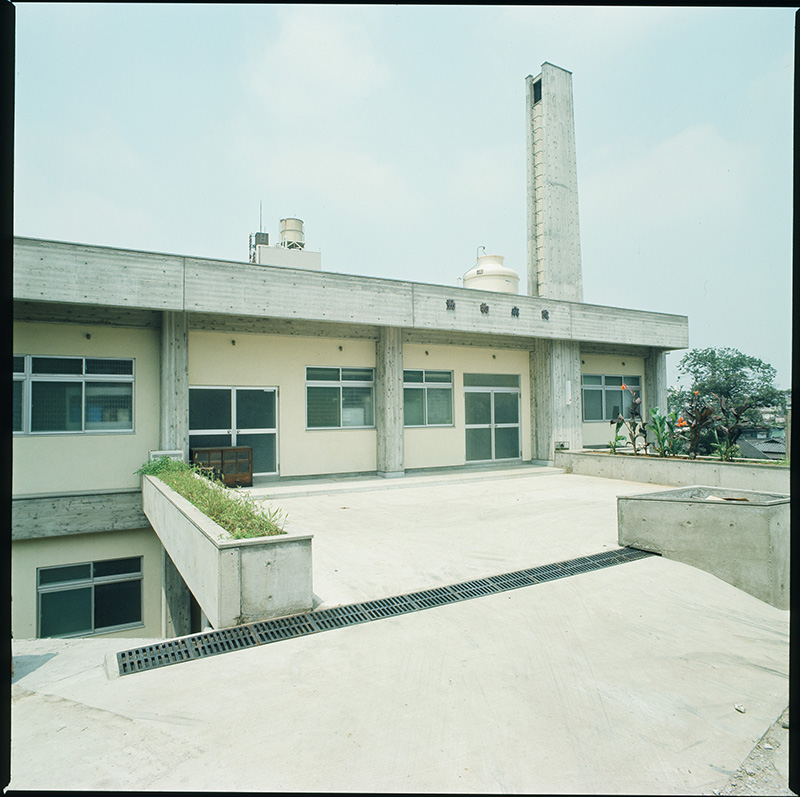
The old animal hospital, which is still relatively new.
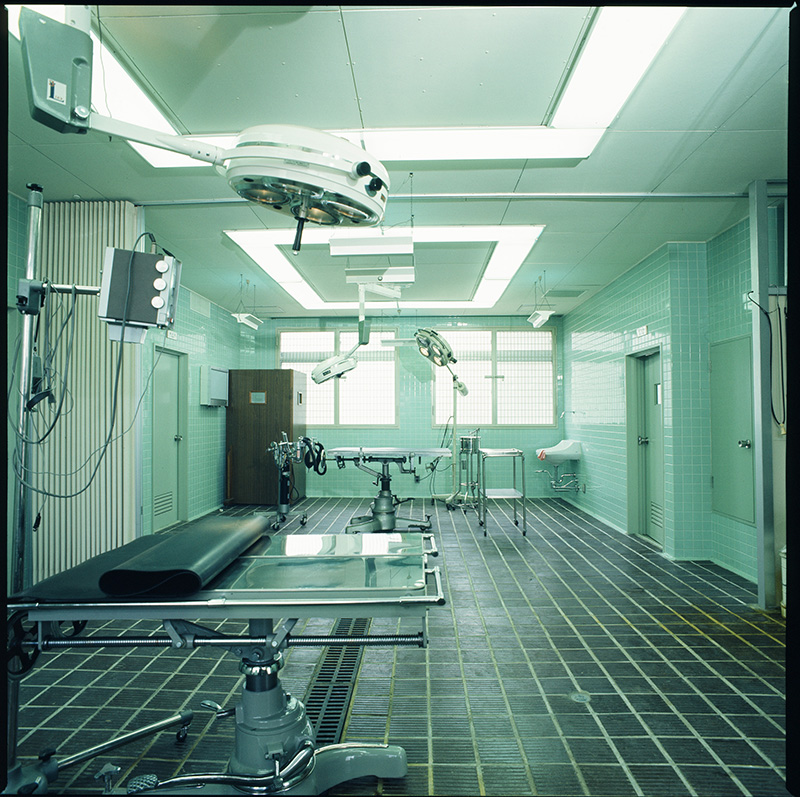
The operating room in the old hospital. Operating rooms in the past were predominantly tiled.
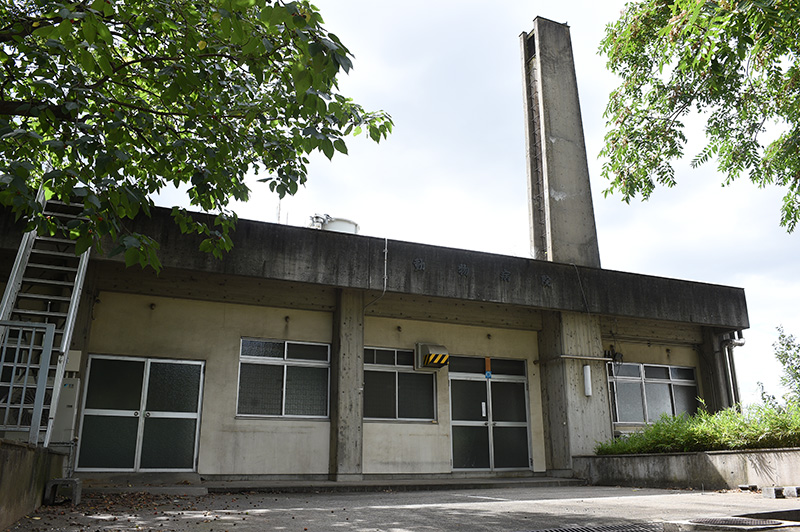
The former animal hospital, now decommissioned (photographed in 2016). The surrounding trees have grown considerably over the past 43 years.
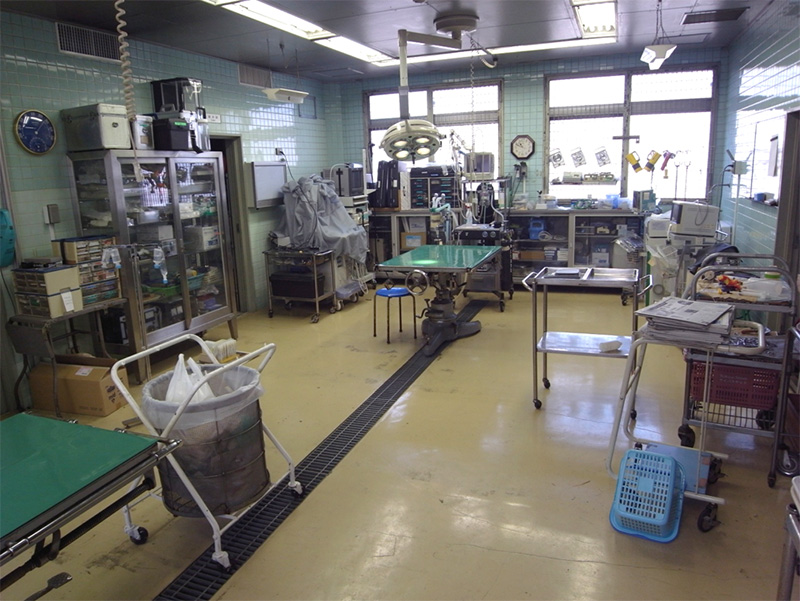
This surgical room, where artificial insemination of Giant Panda was once performed, has become too small over time.
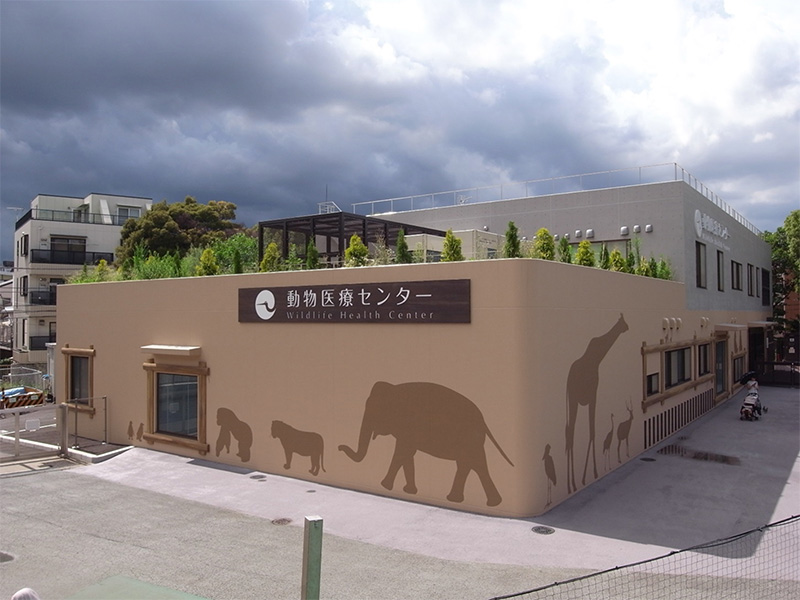
Current animal hospital (animal medical center)
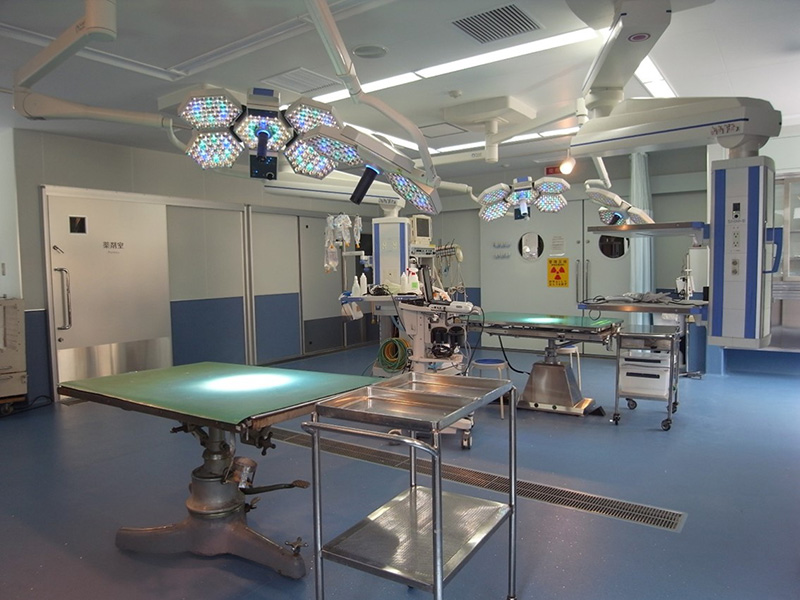
This is the operating room. An X-ray and CT room is located at the back, and the layout is designed with efficient workflow in mind.◎140th Anniversary Project: ZooNet Series "Ueno Zoo: The Last 10 Years"
・
Conservation of rare wild animals native to Japan・
Taking a new step: "Children's Zoo STEP"・
Changes in Educational Outreach Programs
(September 15, 2022)