When looking back on the past 10 years at Ueno Zoo, one topic that cannot be avoided is "measures taken against COVID-19."
Ueno Zoo was temporarily closed three times to prevent the spread of COVID-19: for 115 days from February 29 to June 22, 2020; for 160 days from December 26 of the same year to June 3, 2021; and for 71 days from January 11 to March 22, 2022.
Even in Ueno Zoo 's long history, such a long-term closure is rare. Other closures include 101 days from September 1 to December 10, 1923, due to the Great Kanto Earthquake; 50 days from August 1 to September 19, 1882, due to a cholera epidemic; and 15 days from March 17 to March 31, 2011, due to the Great East Japan Earthquake. Comparing these closures in terms of duration and frequency reveals the magnitude of the impact of the current COVID-19 pandemic.
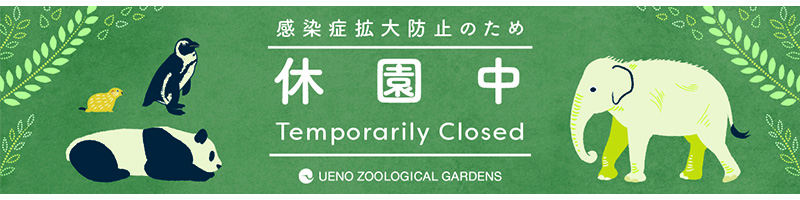
Banner for announcing the park's closure on the web
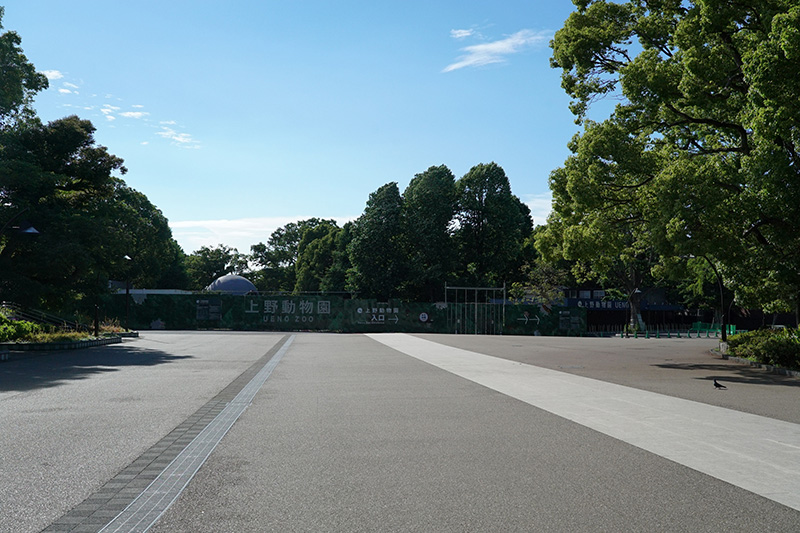 | 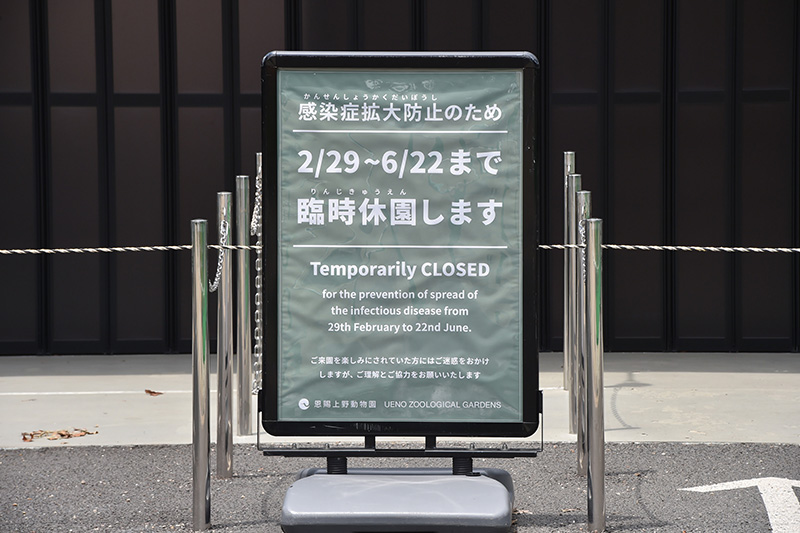 |
| Deserted Ueno Park | Notice of temporary park closure |
Even during temporary closures, animal care continues without interruption. There is also the possibility of transmitting this infectious disease to the animals. To protect the animals, it is crucial that animal keeper do not become infected. Therefore, while it is essential to thoroughly implement basic infection prevention measures such as wearing masks and diligently washing and disinfecting hands, it was also necessary to quickly establish a system that would allow animal care to continue without causing a spread of infection within the workplace, even if one of the animal keeper were to become infected.
Therefore, in order to prevent the spread of infection among staff, including those outside the animal care department, we took the following measures during the temporary closure of the zoo.
1. Teaming of staff and utilization of staggered work hours.
At Ueno Zoo, animal keeper work in teams of several people to care for the animals. If someone in a team were to become infected, all animal keeper in that team would become close contacts and could be unable to come to work.
Therefore, during the closure period, we further divided each team into two sub-teams, with staff members coming to work in shifts. The team that came to work focused on the health management of the animals, while the other team worked from home, handling tasks such as compiling records and reviewing the animal care manuals. By ensuring that the two teams did not come into contact with each other, we ensured that even if someone in one team became infected, the other team could continue with animal care duties. We also adopted this two-team system as much as possible for staff other than animal keeper to prevent the spread of infection among staff.
Furthermore, to avoid overcrowding in the shared changing rooms during morning and evening hours, we utilized a staggered work schedule. animal keeper need to bathe at the end of the day for hygiene purposes, and the staggered work schedule also helped to avoid congestion and crowding in the bathrooms.
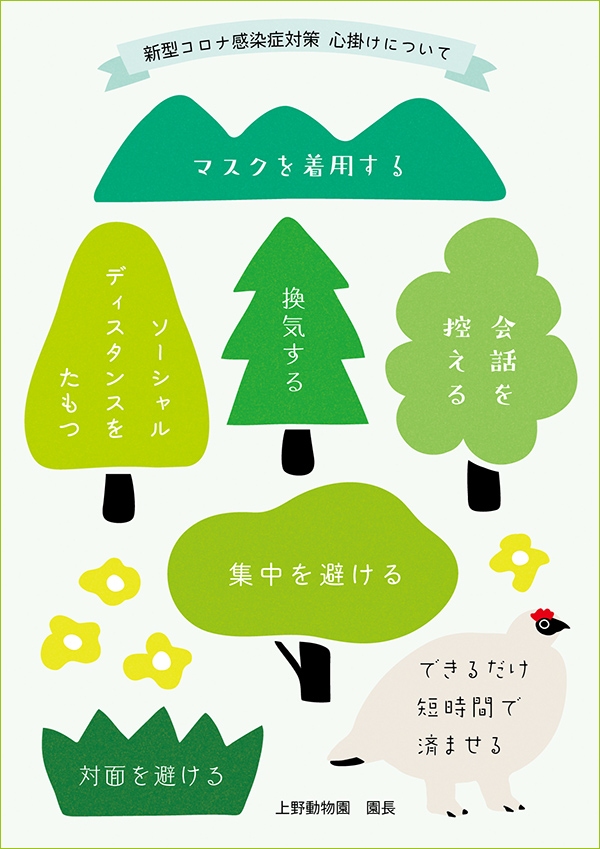
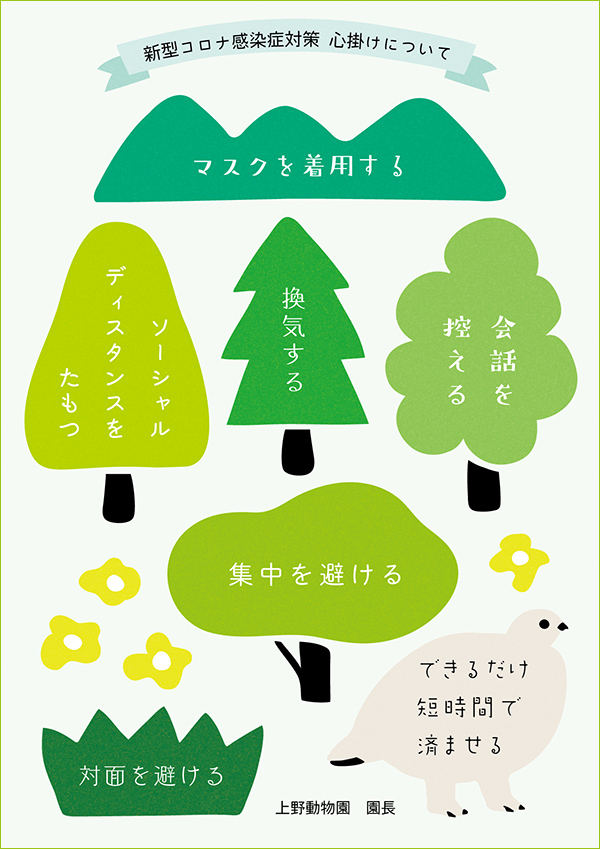
Staff guidelines poster displayed in the changing room
(Left: Male Rock Ptarmigan, Right: Female rock Rock Ptarmigan)
2. Dispersion of offices
The management office at Ueno Zoo was used by staff from various departments, including animal keeper, for administrative work and lunch breaks, so there was a risk of a cluster outbreak. Therefore, we made efforts to disperse the offices as much as possible.
Specifically, we utilized staff rooms within each animal enclosure, as well as unused shops and cafeterias during the zoo's closure, as temporary offices to prevent staff from concentrating in the same administrative office.
Furthermore, within the office, we took thorough measures to prevent infection, such as arranging desks so that they were not facing each other, and installing partitions and splash-proof films. In addition, we utilized online conferencing systems for various meetings and discussions to minimize contact between staff members.
3. Sharing of the latest information and disaster countermeasures
Since April 7, 2020, when the state of emergency was first declared, we have been holding a daily online "COVID-19 Countermeasures Meeting" to monitor the health status of our staff and share information.
Furthermore, to prevent infection from staff gathering together, we replaced our regular disaster preparedness drills with online training, and we used this to verify our response to disasters occurring during the COVID-19 pandemic.
4. Consideration for reopening the park
In order to reopen the zoo, we carefully considered what infection prevention measures should be taken. As a result, we introduced a reservation system, which is a first for Ueno Zoo.
In addition, we implemented various measures, including closing indoor facilities where crowding could occur, establishing "New Ways to Enjoy the Zoo" rules to protect both loved ones and animals, and taking temperatures at the entrance gates.
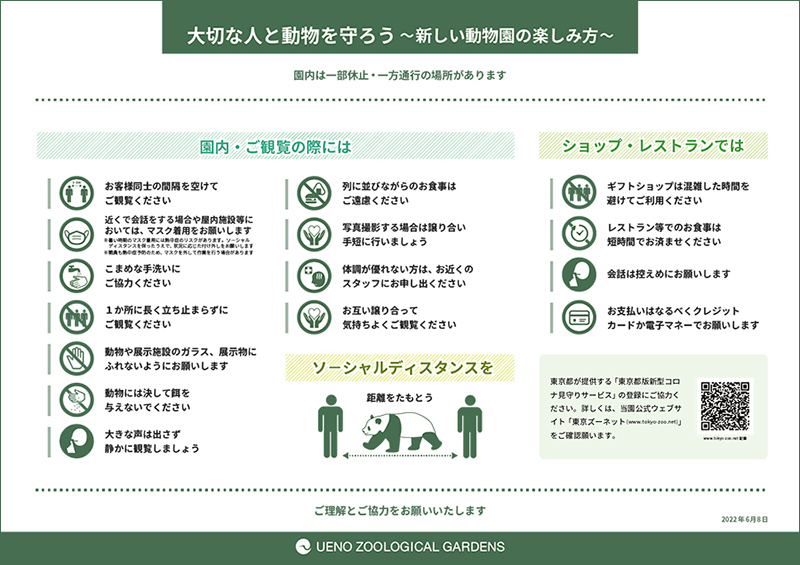
New ways to enjoy the zooIn calling on visitors to take precautions against the spread of infection, we wanted to convey the message in a gentle and zoo-like manner, rather than simply issuing warnings. Therefore, we created original posters and notices designed by our zoo's designers. These notices were very well received, and we even received requests to turn them into merchandise.
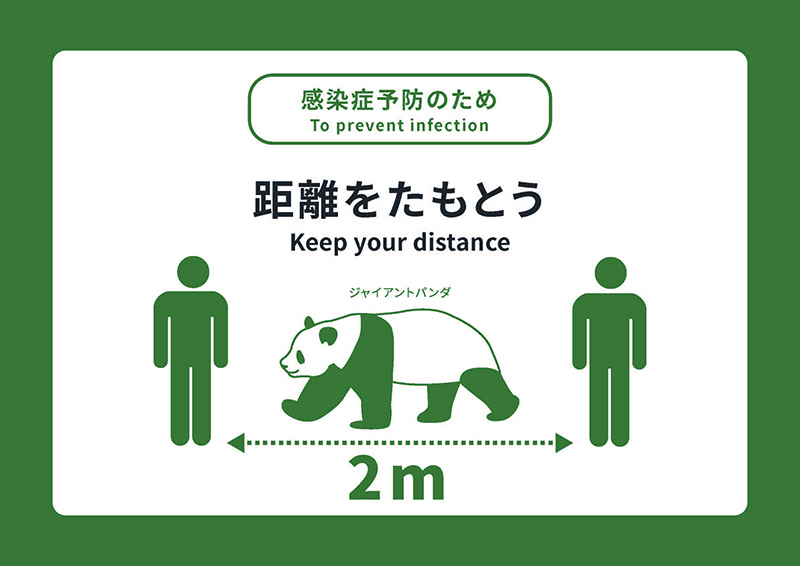
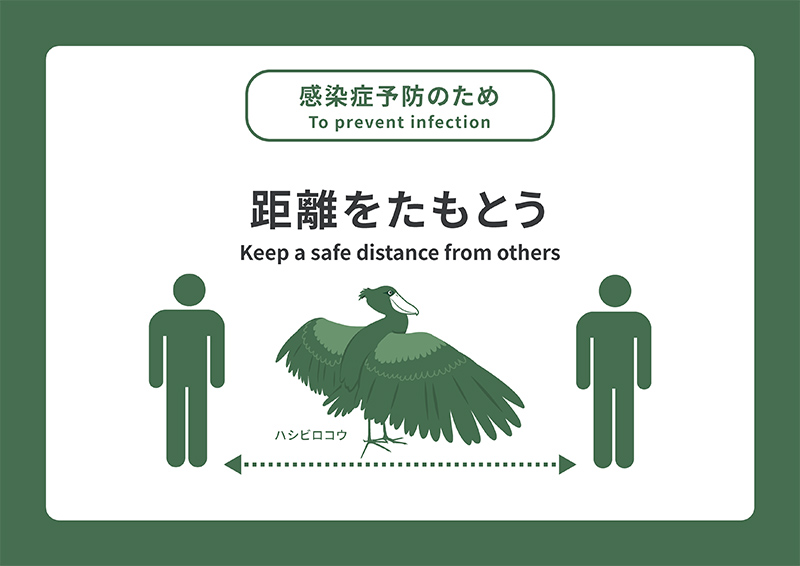
Let's keep our distance.
(Left: the size of one Giant Panda, Right: the size of one Shoebill with its wings spread)
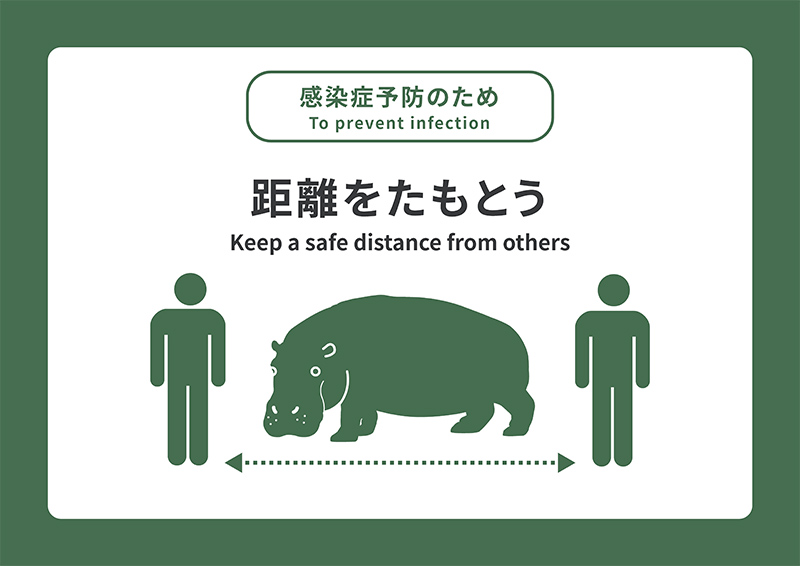
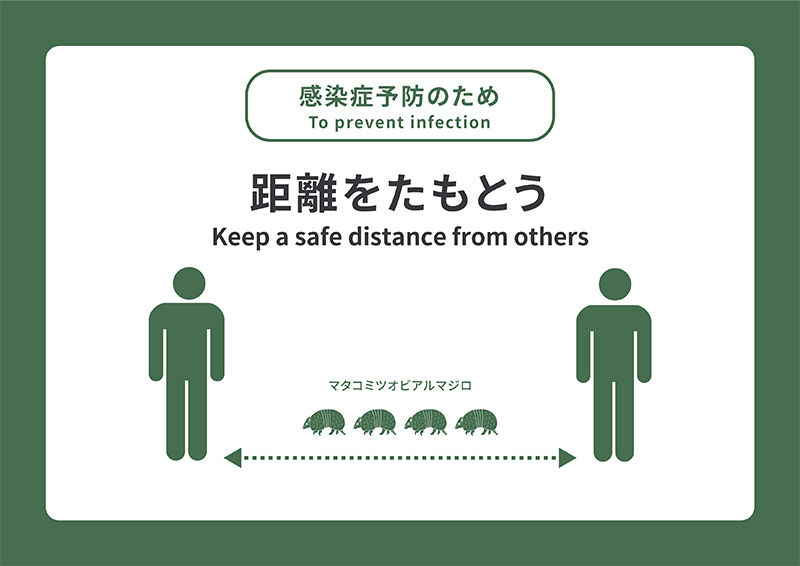
Let's keep our distance.
(Left: equivalent to one Hippopotamus, Right: equivalent to four three-banded armadillos)
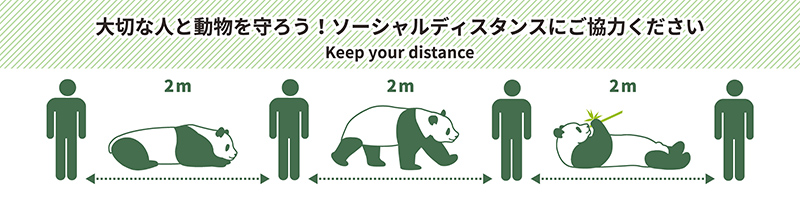
Notice regarding social distancing posted at the main gate.
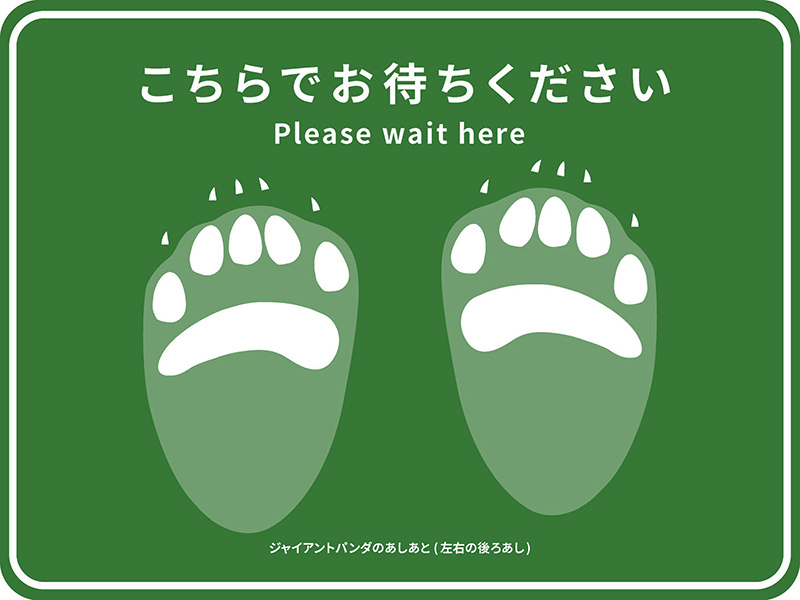
"Please wait here," a sign that meticulously depicts even the claws of Giant Panda
5. Conclusion
The environment surrounding zoos has changed dramatically due to the threat of the COVID-19 pandemic.
While taking thorough measures to combat the ongoing spread of infection, we will continue to work towards creating an environment where animals, customers, and staff can all feel safe and secure.
[Tomoko Fujisaki, Ueno Ueno Zoo Management Staff]
◎140th Anniversary Project: ZooNet Series "Ueno Zoo: The Last 10 Years"
・
Conservation of rare wild animals native to Japan・
Taking a new step: "Children's Zoo STEP"・
Changes in Educational Outreach Programs・
Rebuilding of an animal hospital・
The entrance gate undergoes a transformation.・
Various initiatives based on the Tokyo Metropolitan Zoo Master Plan
(November 1, 2022)