Working at a zoo, you get to see animals in all sorts of different forms. I've only been in charge of Chimpanzee for a year, but Chimpanzee 'd like to share three memorable experiences I've had with them.
So this is the one everyone's been talking about...
Chimpanzee are social animals that live in groups, and communication between individuals is extremely important. Therefore, animal keeper in charge of them also interact with each individual chimpanzee while providing care and management.
Up until now, whenever I've heard stories about Chimpanzee from previous handlers, I've always doubted whether such things really happen. It's the difference in their reactions to animal keeper. For example, when we ask them to show us their hands or feet for health checks, I see how smoothly my seniors do it, and when I try to do the same, even if I ask for a "handshake," they show me their "buttocks."
Some Chimpanzee would deliberately place the items they wanted back far away, or pretend not to notice while awake, wearing burlap sacks over their heads, only to peek out by slightly lifting the sack. However, when the older chimpanzees did it, it was much smoother. I was surprised at how different it was and couldn't help but laugh. I experienced firsthand that what the older chimpanzees had told me was true, and learned the importance of communication and building trust.
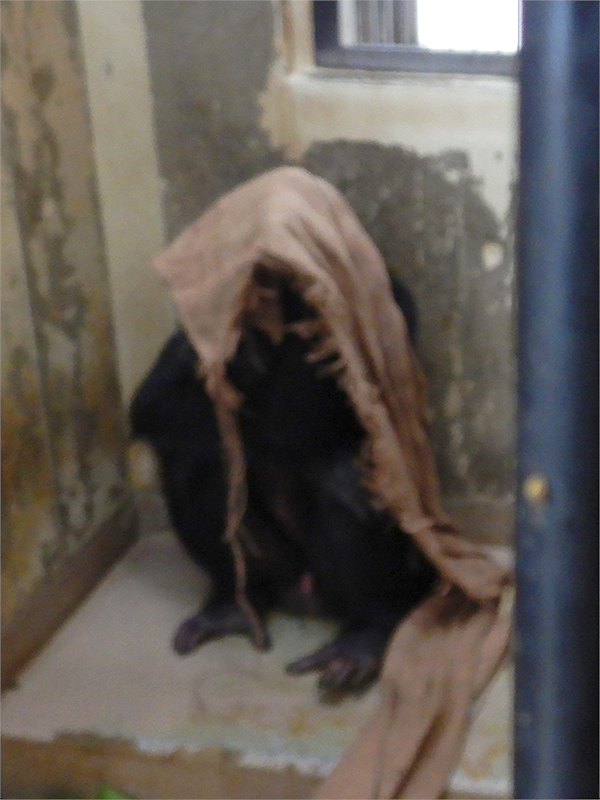 | 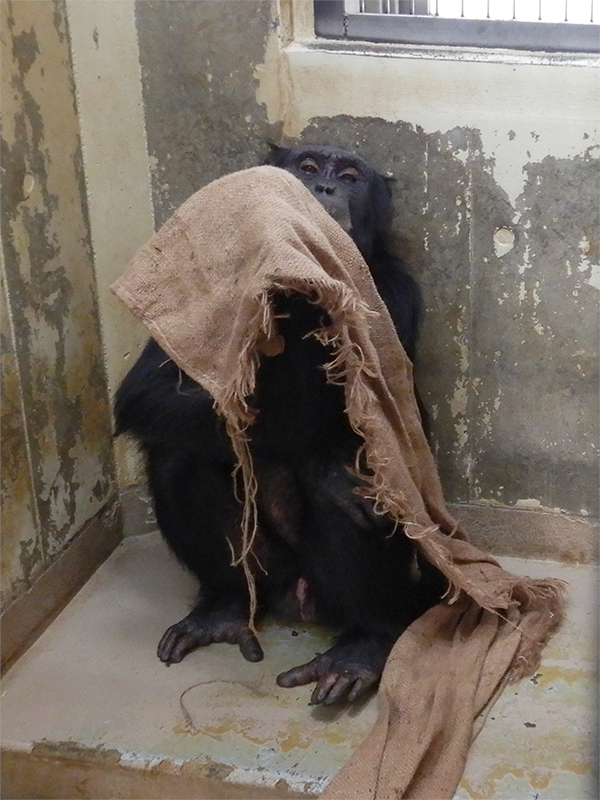 |
| Fubuki wearing a burlap sack | Fubuki observes the situation. |
A natural screwdriver! A master of using tools.
Chimpanzee are animals that can use natural objects as tools, such as using stones to crack nuts or using branches to catch and eat ants. You can see them doing this while they eat at the zoo, but there was one instance where a chimpanzee used a tool in an unexpected way that surprised even animal keeper.
One day in the enclosure, Chimpanzee was seen holding a lid for a water-filled pond—something it shouldn't have been able to do. After Chimpanzee returned the lid, I went to investigate and found a branch with a tip shaped like a flathead screwdriver lying there. It was immediately clear that this was what it had used to open the lid. While I was amazed by its skill in using tools, it also reminded me that we must pay attention to even the smallest details to prevent unexpected accidents.
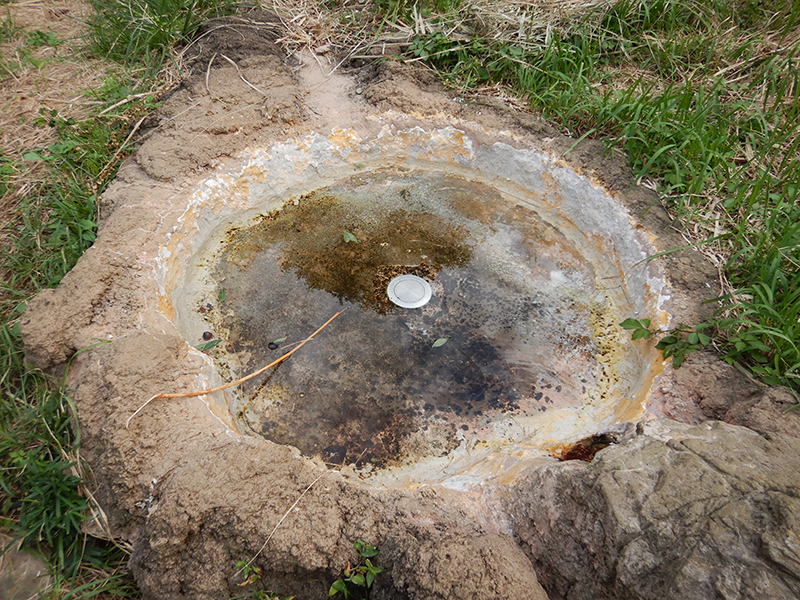
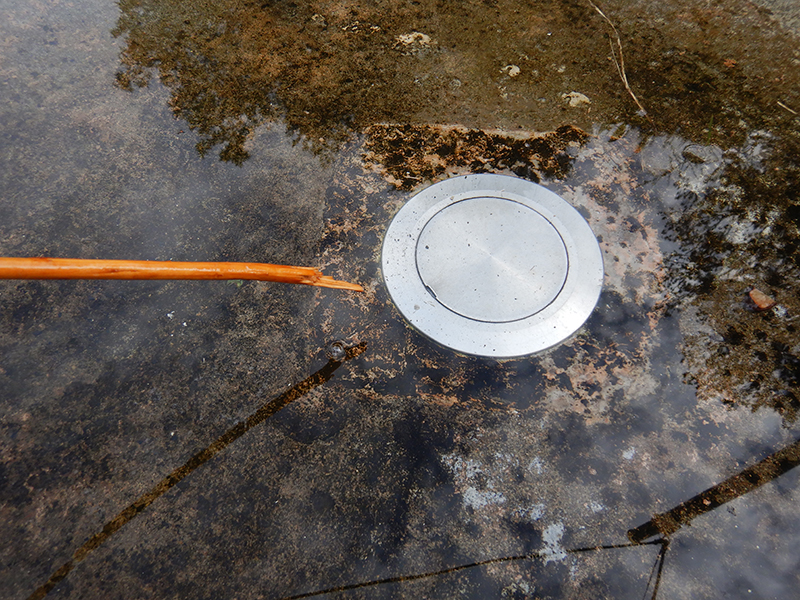
A technique that's just like using a flathead screwdriver.
So you'll eat it now? Timing is important when it comes to foods you don't like.
Chimpanzee are currently fed 34 different kinds of vegetables annually, but just as we have food preferences, they also have their own preferences and will leave behind what they don't like. On the other hand, animal keeper provide them with a menu that is nutritionally balanced every day, and they want them to eat all of their food as much as possible. Therefore, they have devised several ways to encourage them to eat the food they leave behind.
For example, Jin, a male chimpanzee, always leaves a pumpkin uneaten when it's placed in his sleeping quarters where he spends time alone. However, when he's given a pumpkin only during the day when he's with the other Chimpanzee, he eats it. It seems that he eats it because he feels a strong sense of superiority from being the only one to receive food. I learned that even with the same food, the reaction changes depending on the timing and circumstances, and I enjoyed the process of finding creative solutions.
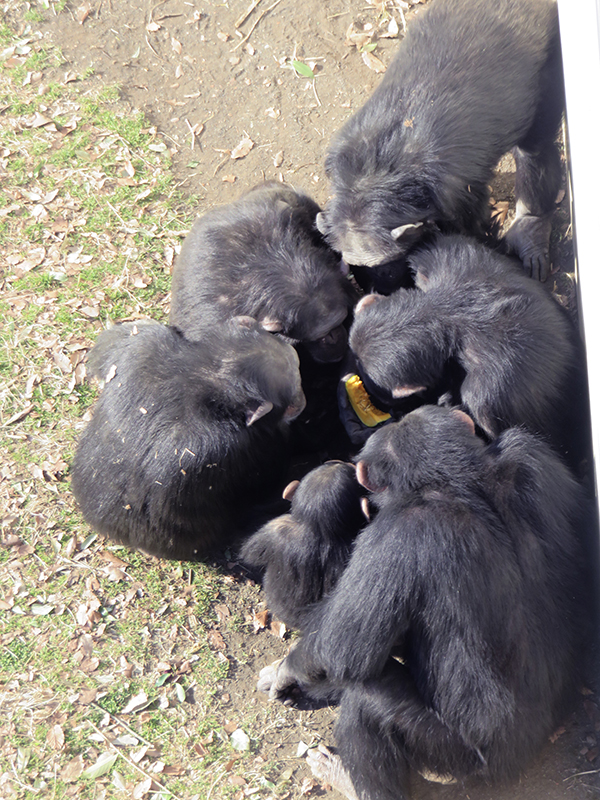
Inside the room, Jin eats the leftover pumpkin while other Chimpanzee watch enviously.This time, I've introduced three that left a particularly strong impression on me. I'm sure they'll continue to show us a variety of unique and fascinating aspects in the future. I hope that by learning about their many charms, I can inspire you to take an interest in animals.
[Tama Zoo Tama Zoological Park]
(March 17, 2023)