Inokashira Park Zoo 's aquatic life garden is home to five species of herons: Grey Heron, little egret, intermediate egret, black-crowned night heron, and Japanese Night-heron. Sometimes you can see something white floating in the pond in the herons' enclosure. At times, the entire pond looks as if it's covered in a white film (Photo 1), or a mysterious white mass is floating there (Photo 2).
The water in the ponds for other birds in the aquatic animal park, such as ducks and Red-crowned Crane, remains clear, so what could be the reason for this?
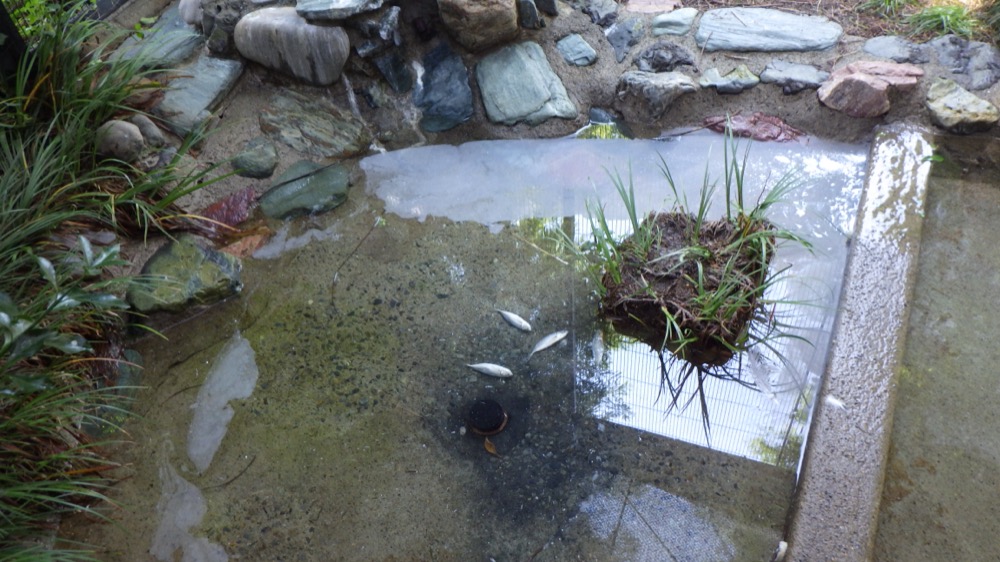 | 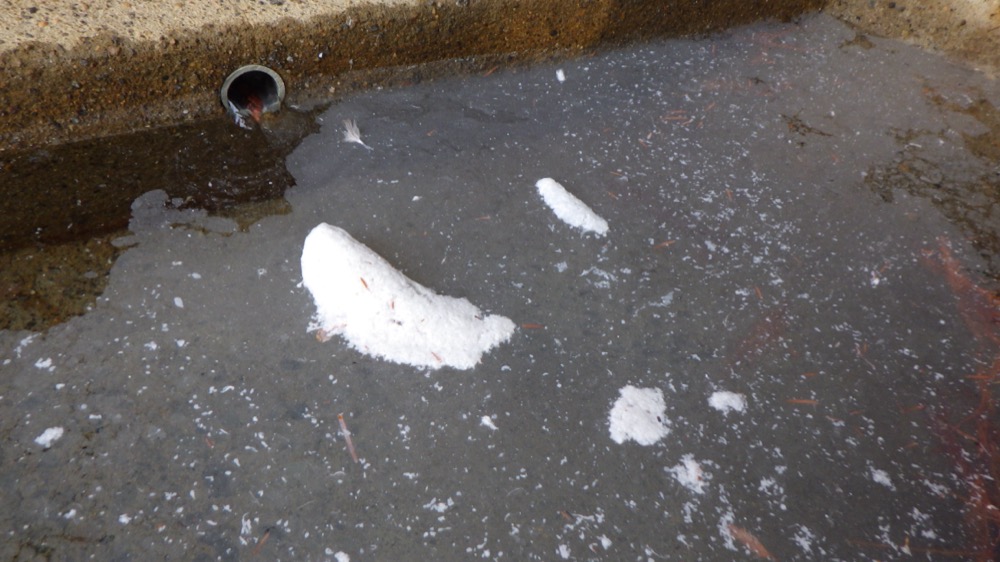 |
| (Photo 1) Mysterious white film floating on the pond | (Photo 2) Mysterious white mass floating in the pond |
The key to solving the mystery of the white substance in the pond, which is only seen on herons, actually lies in their feathers.
Bird feathers come in many varieties, including contour feathers, downy feathers, semi-downy feathers, bristles, and filiform feathers. Herons, in particular, have a large amount of a special type of feather called "powdered down." Powdered down has a water-repellent effect, and when touched, the tips of the feathers crumble into a powder. When preening, they use a distinctive flat, comb-like claw (Photo 3) on the middle of the three front toes of their feet to rub off the powdered down and sprinkle it all over their bodies, which helps to prevent dirt and water from sticking to their fur.
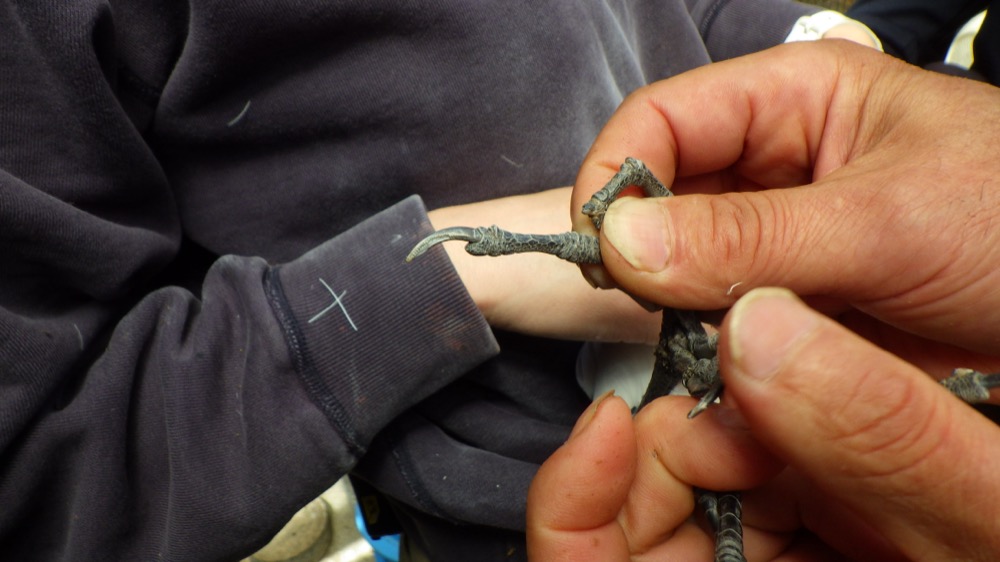
(Photo 3) The comb-like claws of a little egretHerons often have a dense cluster of powdery feathers on part of their abdomen, which also serves to keep their bellies clean by trapping dirt from foraging with the powder.
On the other hand, among waterfowl, geese and ducks have a " which is located near the base of their tail feathers.
tail sebaceous gland Herons repel dirt and water by coating their feathers with oil secreted from an organ called the "uropygial gland." In addition to herons, birds such as pigeons and parakeets have poorly developed uropygial glands and instead protect their feathers from dirt with powdery down.
Furthermore, while birds generally molt, shedding old feathers and growing new ones, these powdery down feathers continue to grow throughout their lives and are never replaced.
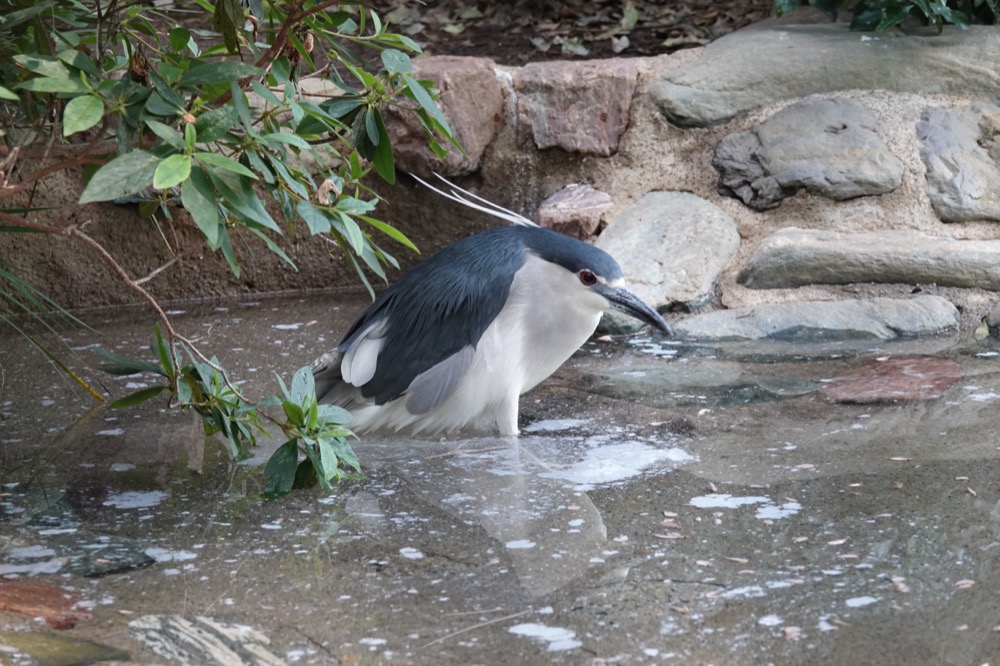
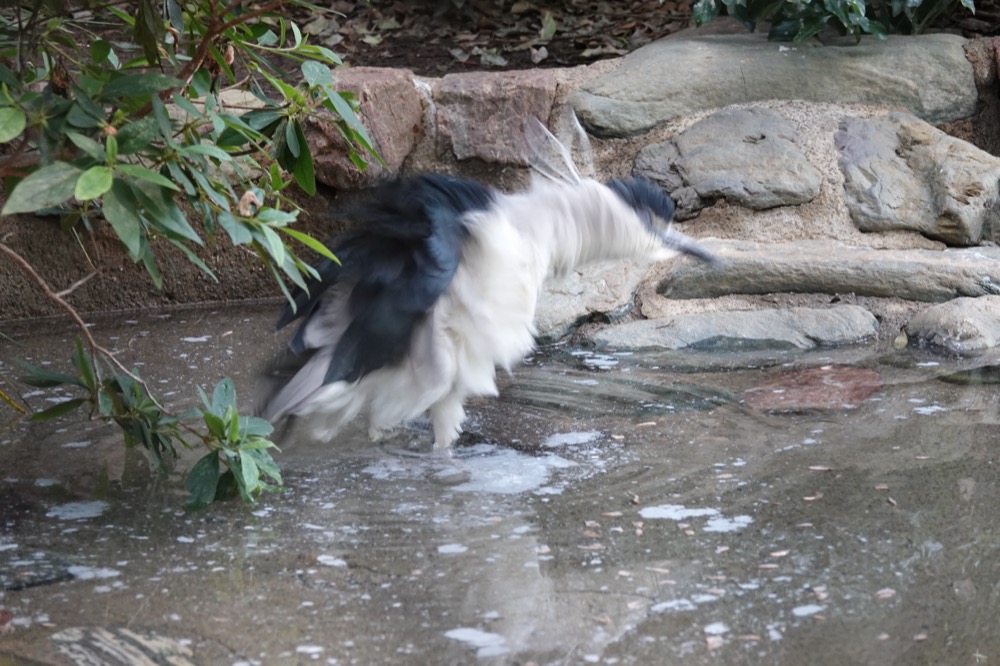
The white puddle was actually made up of downy feathers that had crumbled at the tips when a heron took a bath and flowed away (Photo 4).
(Photo 4) Black-crowned night heron bathingAs temperatures rise, just like they are now, the herons will be bathing more often. If you'd like to see the white pond or are curious to see the herons bathing, now is the perfect time. Please come visit Inokashira Park Zoo.
[Inokashira Park Zoo Aquatic Life House]
(June 13, 2024)