Inokashira Park Zoo Since 2006, Tsushima Leopard Cat has been participating in a project to protect and propagate , which is being promoted in cooperation with Japanese Association of Zoos and Aquariums and the Ministry of the Environment.
There are currently nine facilities in Japan that breed Tsushima Leopard Cat, including the Ministry of the Environment's Tsushima Wildlife Conservation Center in Tsushima City, Nagasaki Prefecture, and zoos throughout Japan, and each facility has a specific role to play. Inokashira has the role of promoting artificial breeding of Tsushima Leopard Cat by applying the technology that has been successfully used for Amur Leopard Cat artificial insemination. Nippon Veterinary and Life Science University, Yokohama City Breeding Center, Tama Zoo Wildlife Conservatio Center, the Ministry of the Environment and Inokashira have joined together as one team to continue their research toward successful artificial insemination.
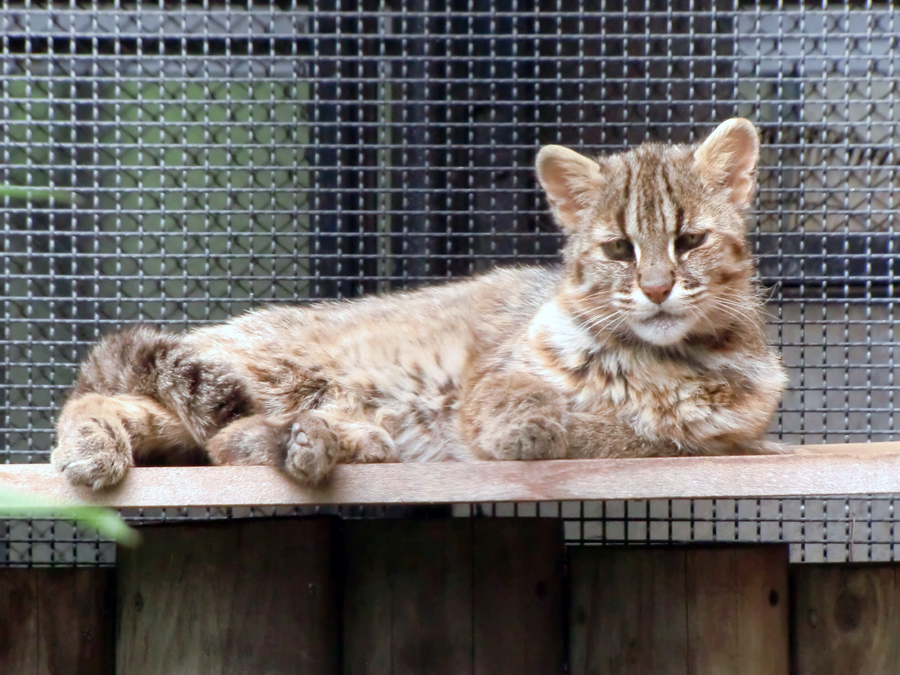 | | 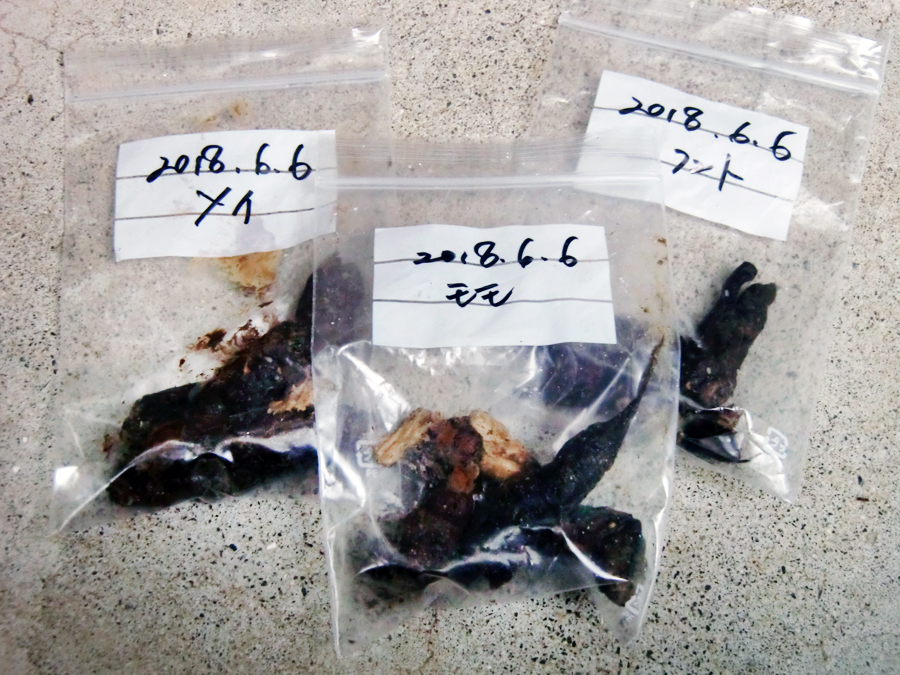 |
| "Nori" relaxing in her favorite spot. | Feces are collected while checking their color, shape, and smell. |
In the Spring 2018 issue of "Animals and Zoos," a magazine published by Tokyo Friends of the Zoo, we reported on artificial insemination performed in January 2018. Understanding the breeding behavior of Tsushima Leopard Cat leopard cat is extremely important. The breeding season for Tsushima Leopard Cat is mainly in winter, but at Inokashira Park, we continuously examine their feces throughout the year to track their hormone activity.
Wildcats generally defecate in the same places, so we carefully collect their feces while checking their health, and send them to Wildlife Conservatio Center at Tama Zoo for analysis. By examining the hormones in the feces of female wildcats, we can determine their estrus patterns and whether or not they are ovulating.
It may just be feces, but for Tsushima Leopard Cat animal keeper at Inokashira Park, even feces are an important and valuable source of information.
[Inokashira Park Zoo]
(June 8, 2018)