On this page, you can download illustrations of the bones of Lion, Giraffe, African Bush Elephant, and humans. You can also watch videos showing how the bodies of Lion, Giraffe, African Bush Elephant, and various other animals move.
Giraffe
Most on land back They are tall animals. Adult Giraffe are 4 to 5 meters tall from the top of their heads to the tips of their toes.
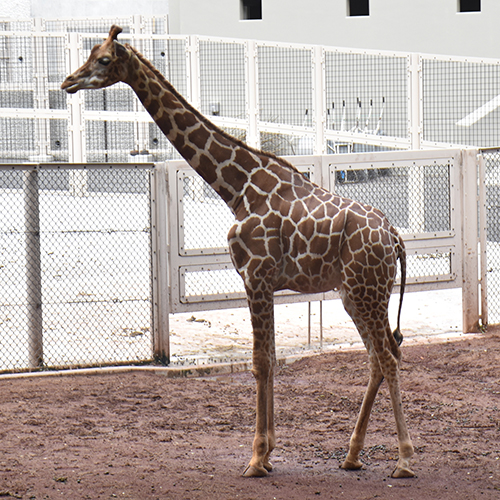
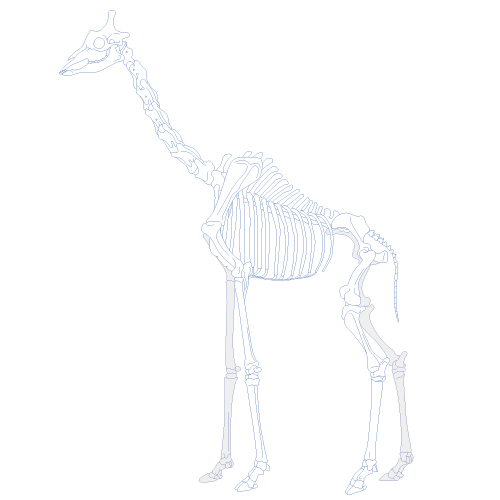
Life-size Giraffe foot
Print it out and stick it together to create a sheet that shows the actual size of Giraffe 's hind legs!
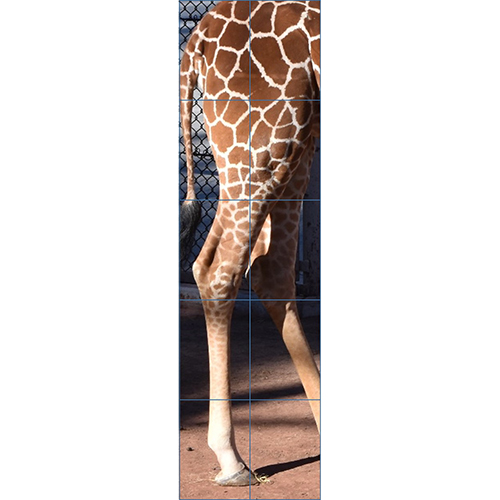
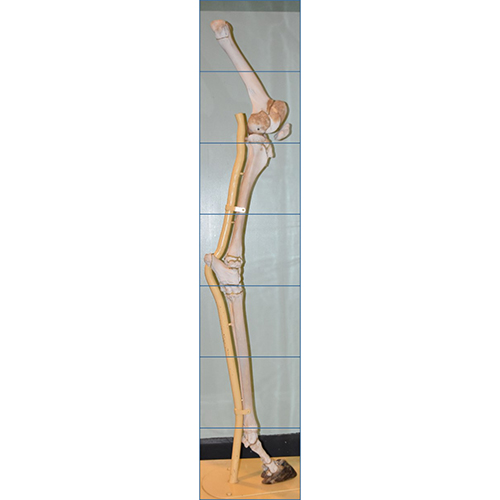
The actual length of the bone in the right hind leg of the "Giraffe Hind Leg Life-Size Sheet" is 191 cm. Giraffe have legs longer than a human's height, but they also have many things in common with humans. In addition to their shoulders and thighs, their necks are also wider than their bones. Giraffe have thick ligaments in addition to muscles in their necks, which help to pull their Giraffe upwards.
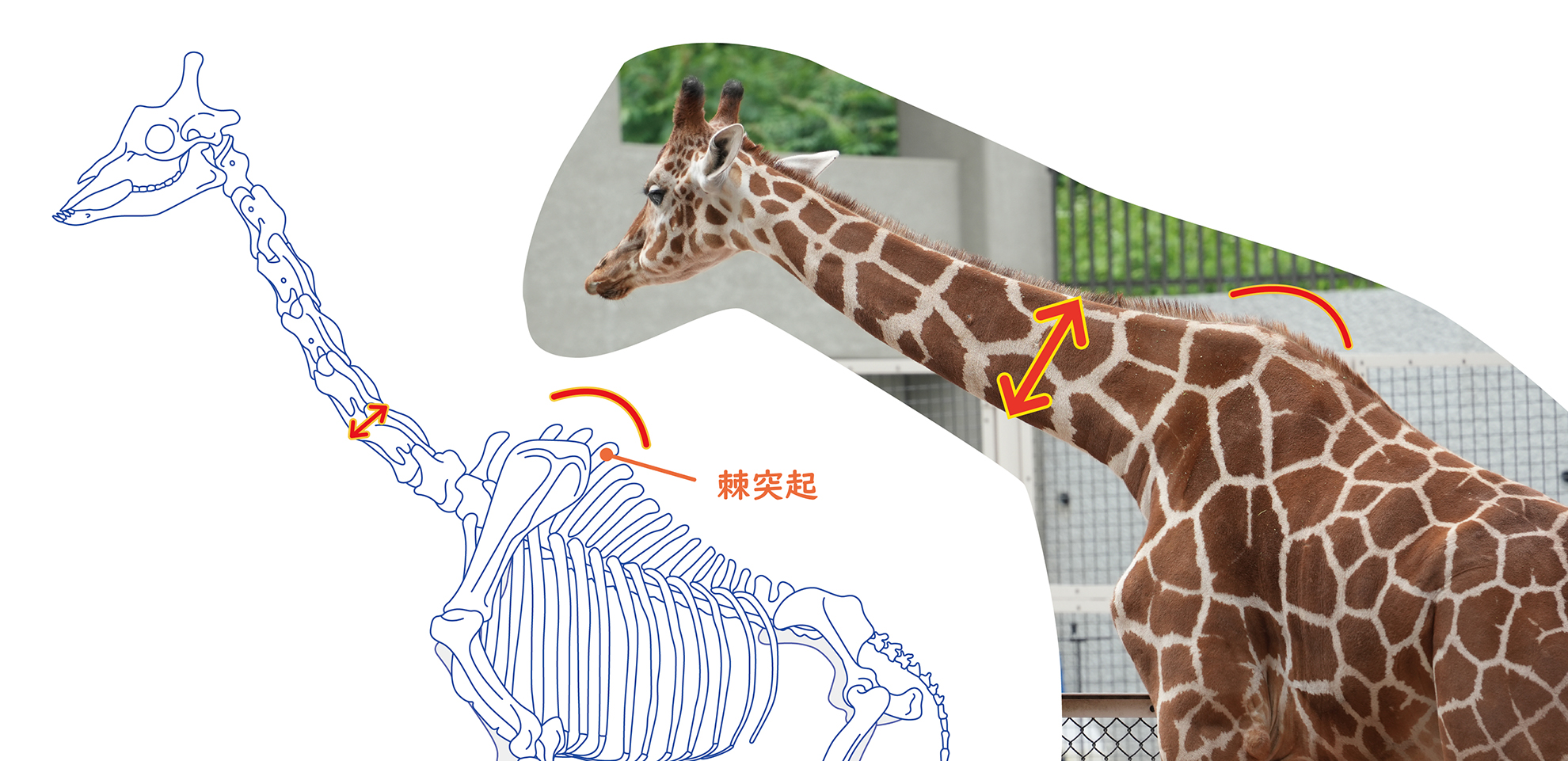
spinous process Comparing the location of the (projections on the vertebrae) with the bone illustration and the actual Giraffe makes it easier to understand the thickness of the neck.
Lion
Hunting They are carnivorous animals that hunt. They cooperate in groups to catch animals larger than themselves. Their large forelegs are useful for holding down their prey.
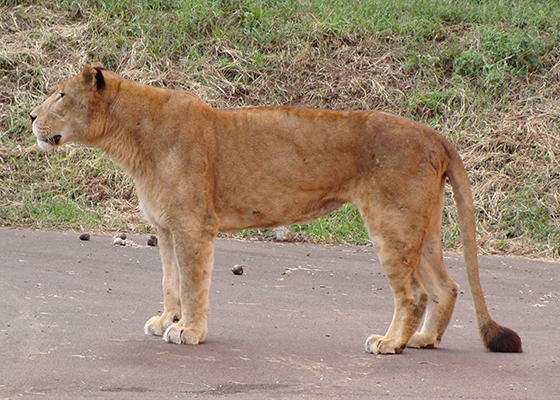
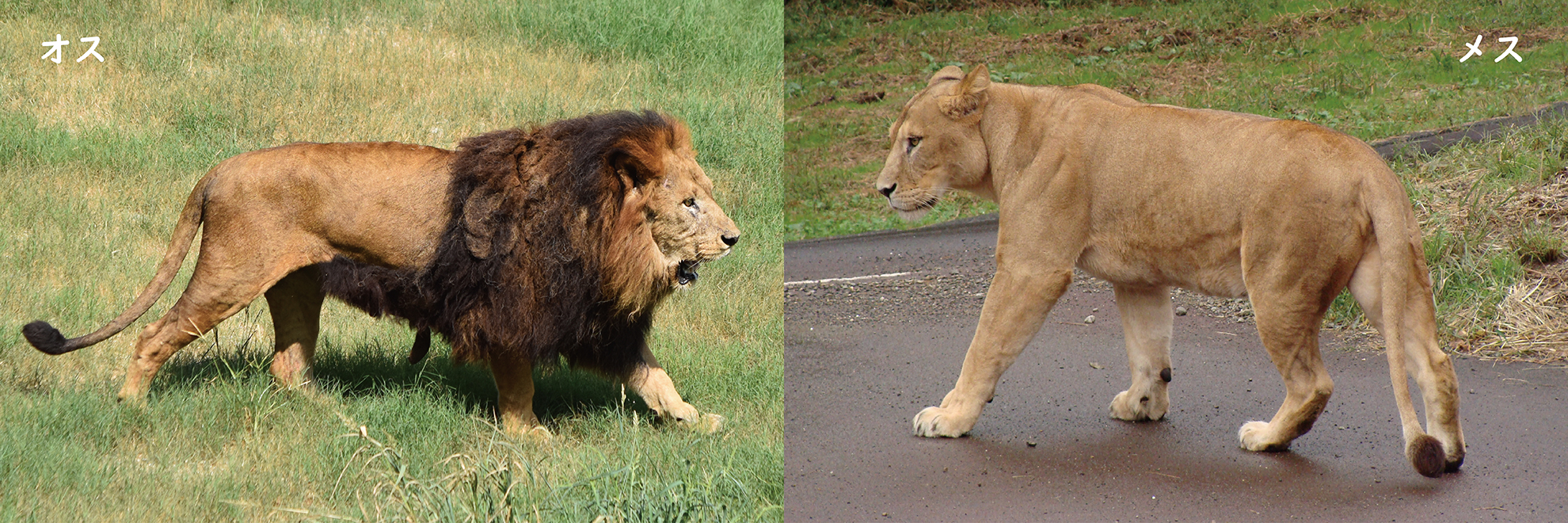
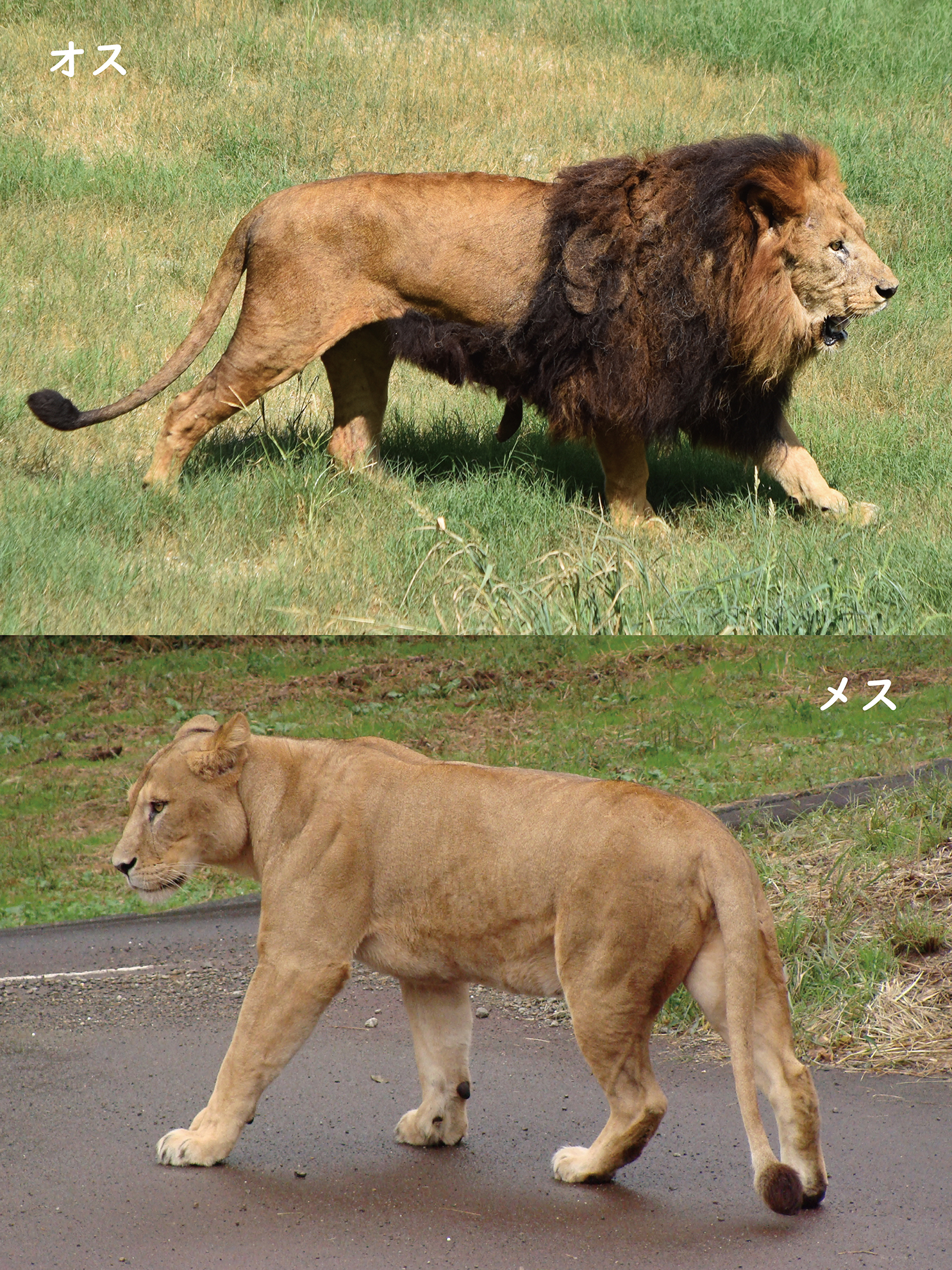
Males have manes, but females do not. This may seem obvious, but it is unusual for a feline to have such a clear difference between males and females in their fur.
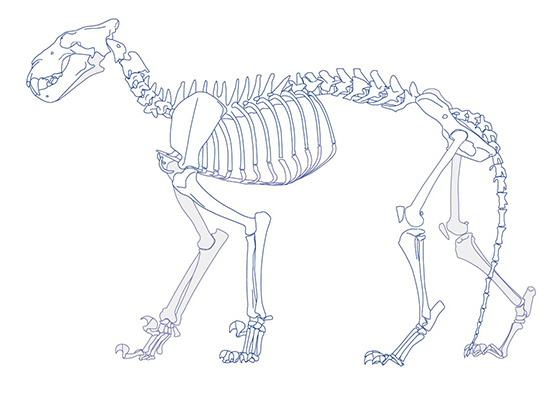
The Lion lions living at Tama Zoo have manes that grow not only around their faces but also around their bodies, making it difficult to see their body outline. It is thought that the male lions' manes have the effect of making them appear larger and displaying their strength. If you want to observe the body outline and muscle movements of Lion, it is recommended to observe the females.
Lions have highly developed muscles not only in their hind legs but also in their forelegs, which helps them to pin down prey with their front legs. The reason Lion have broad shoulder blades is that they need many places for the muscles that move their forelegs to attach.
African Bush Elephant
They are the heaviest land animals and are herbivores. Adult African Bush Elephant can weigh up to 7,000 kg (males).
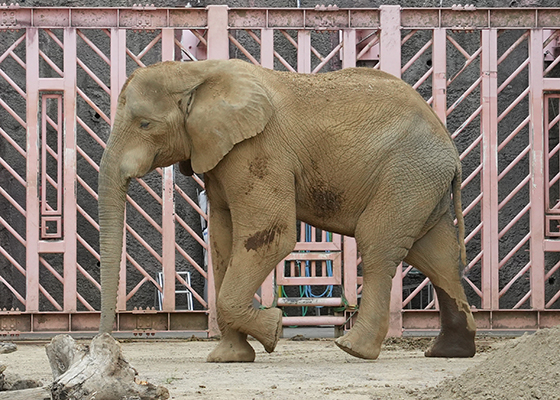
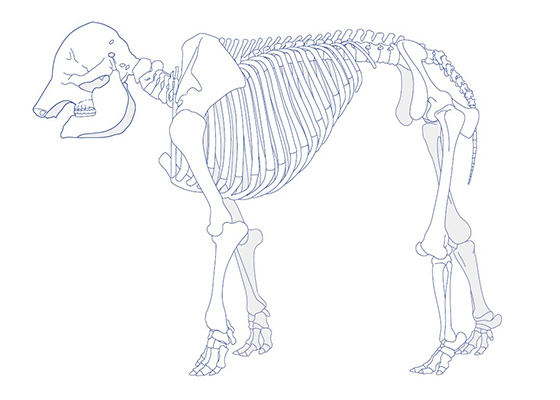
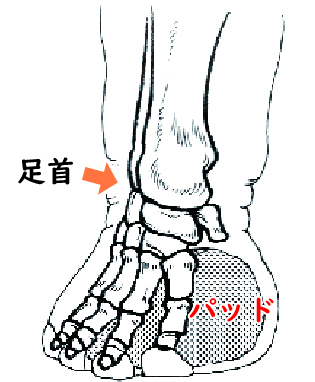
When you see African Bush Elephant walking, it looks like its heels are touching the ground. However, if you look at an illustration of African Bush Elephant 's skeleton, you'll see that the heel bone doesn't actually touch the ground. In fact, beneath the elephant's heel is a resilient pad made of fat and fibers. This pad cushions the impact when the heavy elephant's feet hit the ground. That's why elephants make almost no noise when they walk.
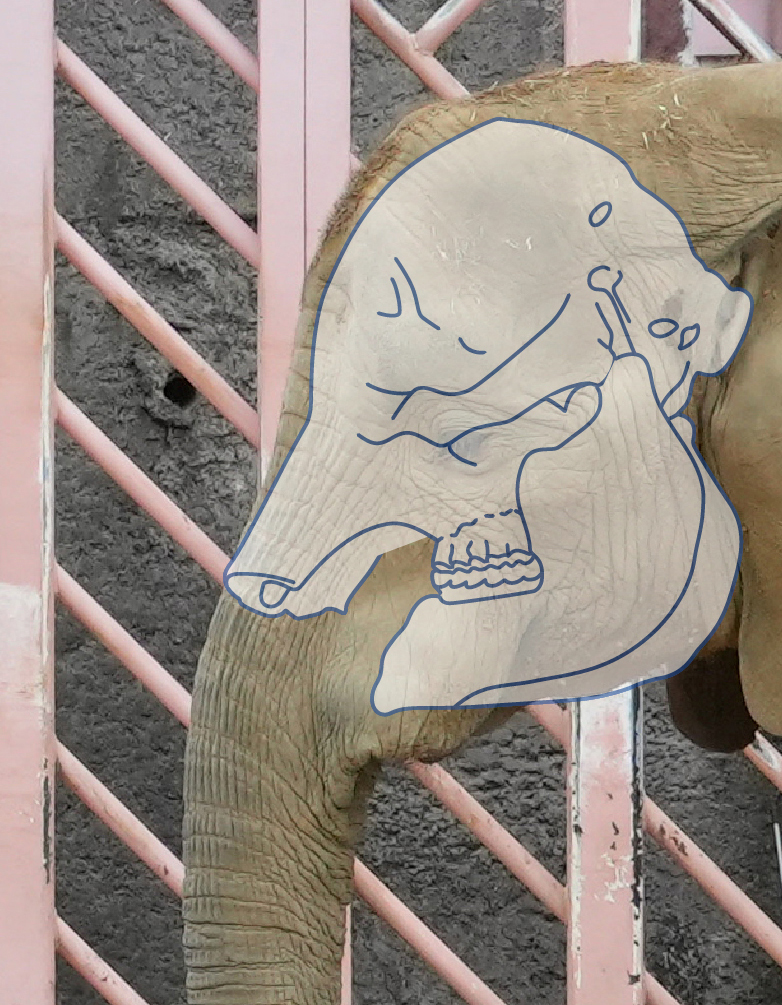
There are no bones inside the long trunk of African Bush Elephant. An elephant's trunk is almost entirely made of muscle. Because there are no bones, the trunk can not only bend in various directions but also extend and contract.
-
Let's work together with the people around us to confirm the outline of the human body.
-
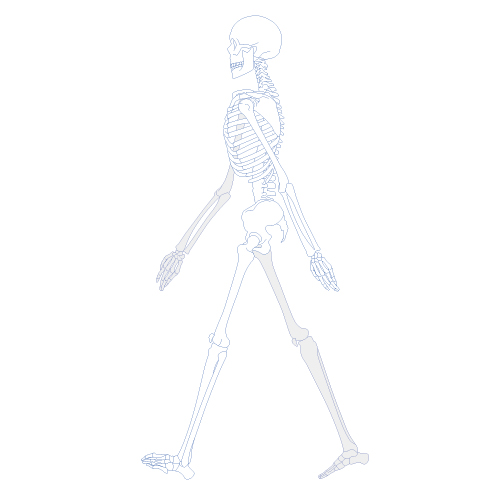
Bone illustration: PDF
Upright bipedalism is unique to humans among animals. No other animal walks on two hind legs while keeping its trunk straight. Other animals may also walk on two legs, but their trunks and knees do not extend straight, so it is not "upright bipedalism."
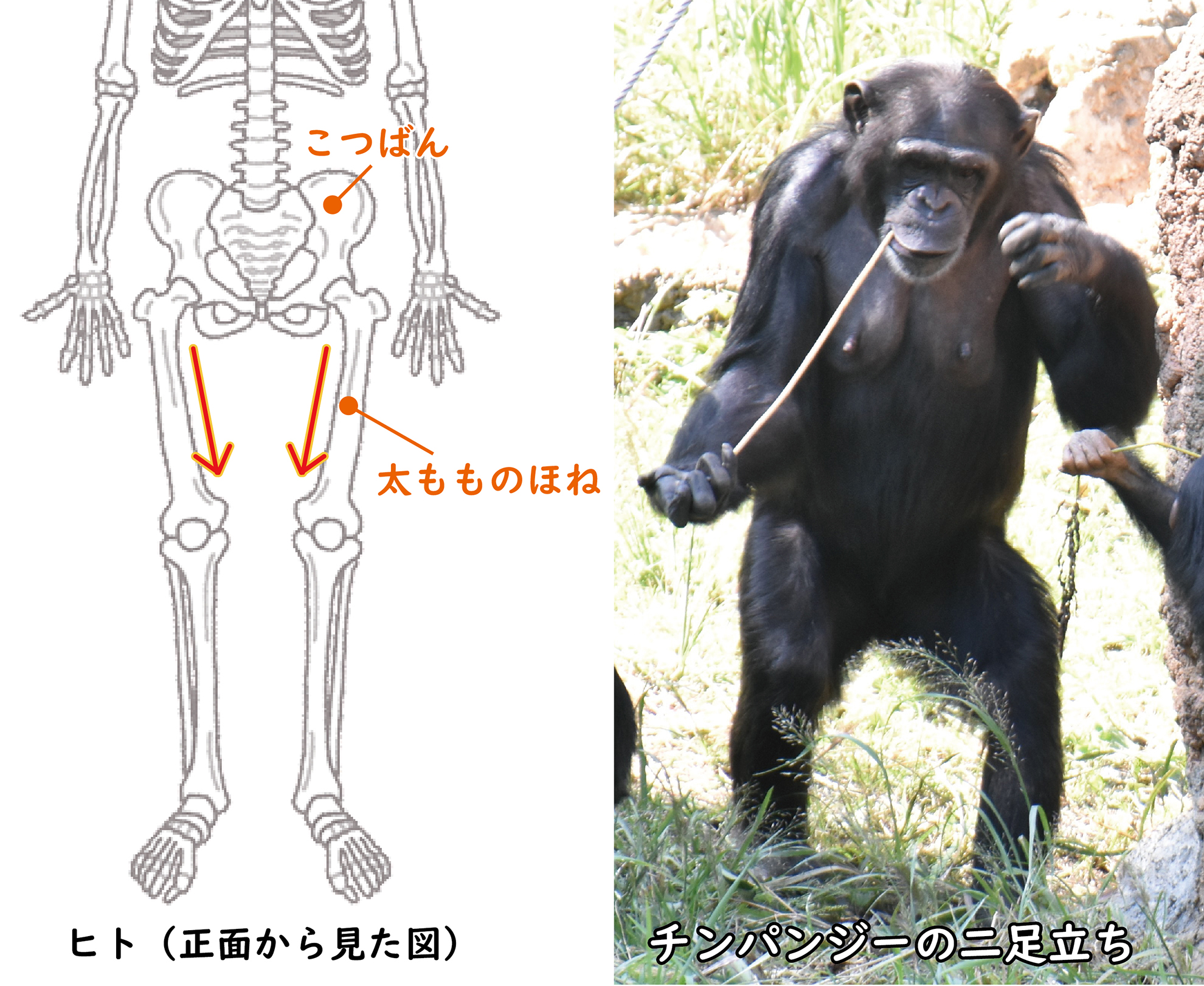
The bones of the human body are shaped to be well-suited for upright bipedal locomotion. For example, the pelvis is bowl-shaped to support the internal organs. Also, the thigh bone is not straight but tilted at about 10 degrees, allowing the feet to be placed directly beneath the body's center of gravity.
Cheetah
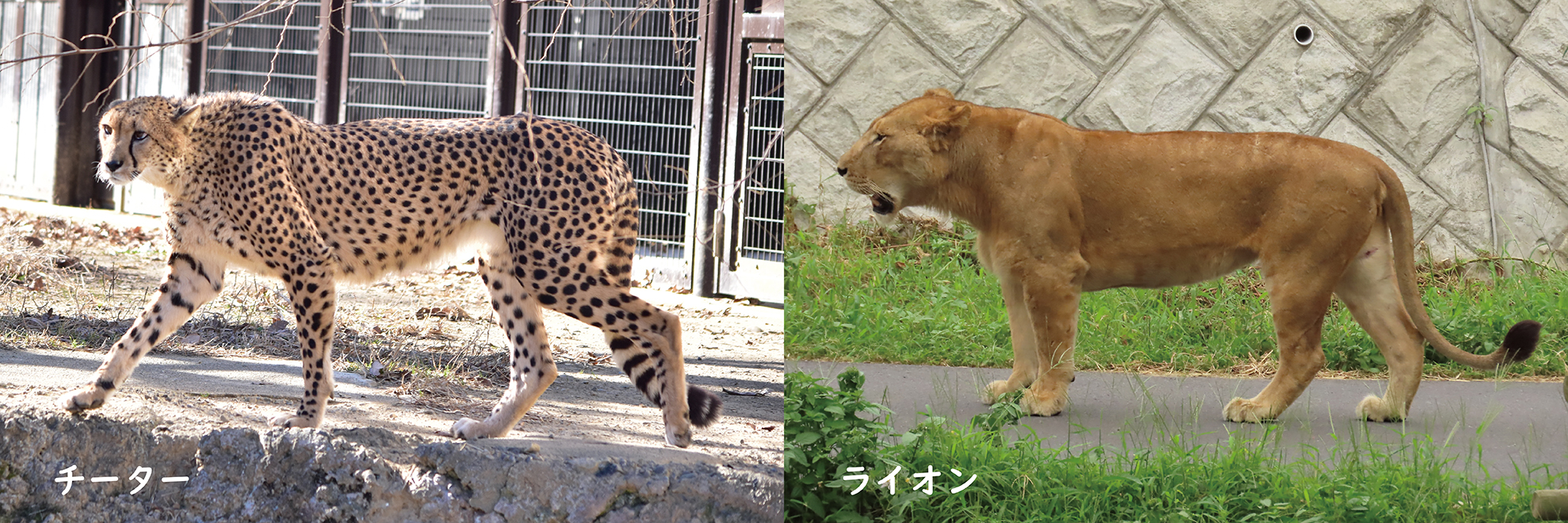
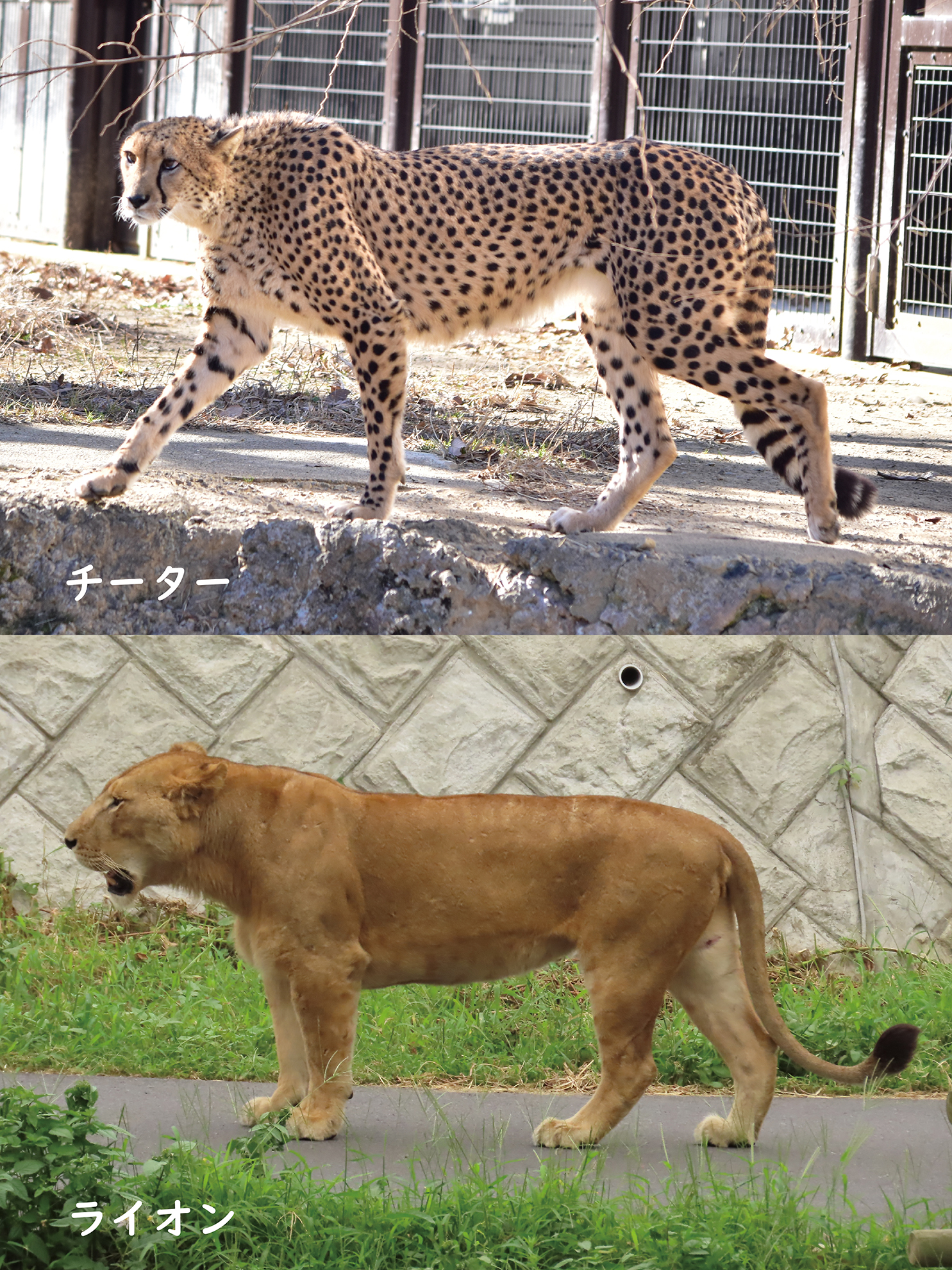
Like Lion, they are members of the cat family, but unlike Lion, they are usually Solo It can travel at a speed of approximately 100 km/h.
Its basic body structure is similar to that of Lion, but compared to Lion, its head is smaller in proportion to its body and its legs are longer. Its physique is well-suited for high-speed running.
Chimpanzee
-
Sometimes they walk on the ground, and sometimes they climb trees. When they go far, they walk on the ground. They also climb trees to eat berries and rest in the trees.
-
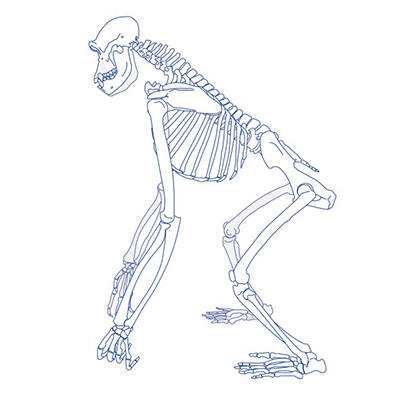
Bone illustration: PDF
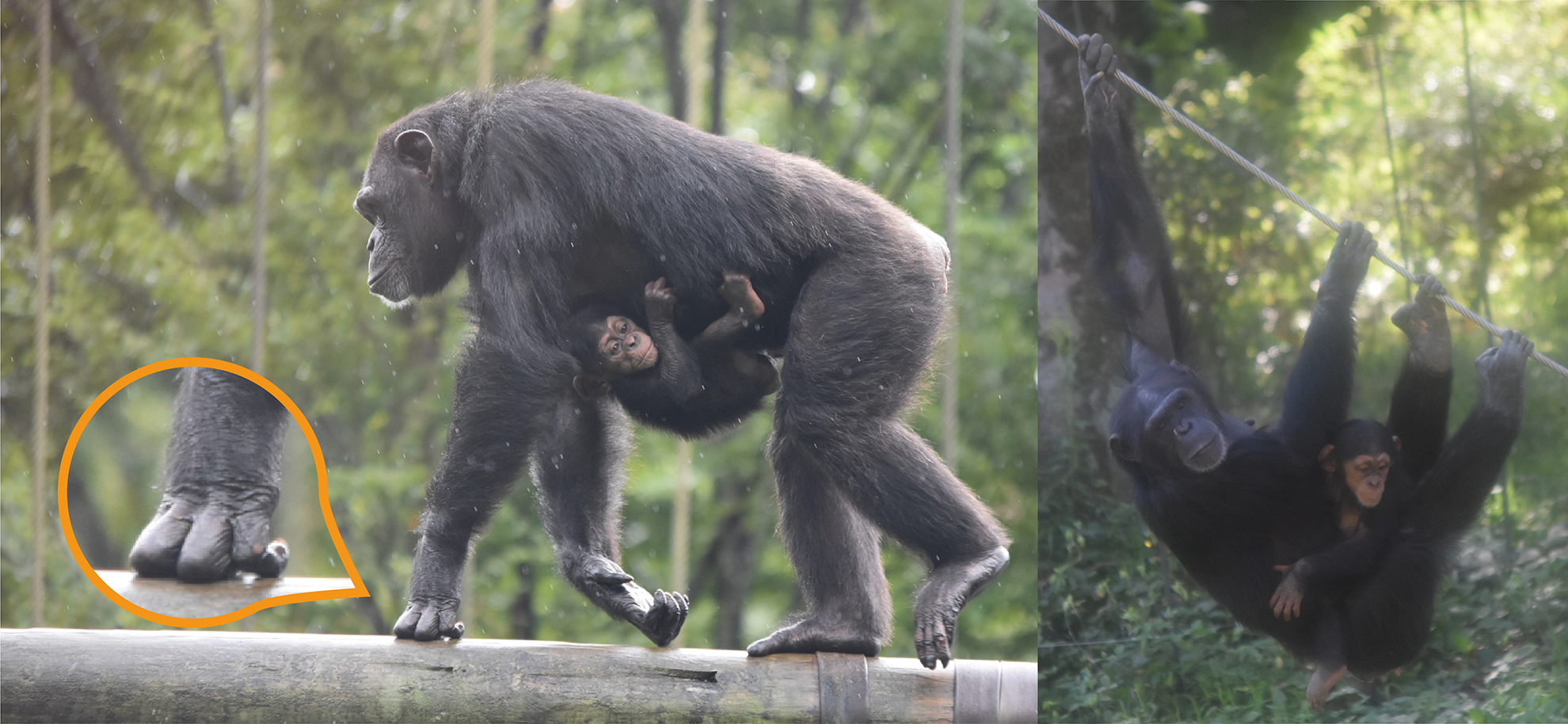
When walking on the ground, they bend the toes of their front paws at the second joint and place the backs of their toes on the ground. This way of walking is called "knuckle walking." At this time, their hind feet are on the ground with their heels down, just like humans.
They are also adept at climbing to high places such as trees and towers. Not only their front paws, but also their hind paws have a gap between the big toe and the other four toes, which allows them to grip tree branches and ropes with both their front and hind paws.
Red Kangaroo
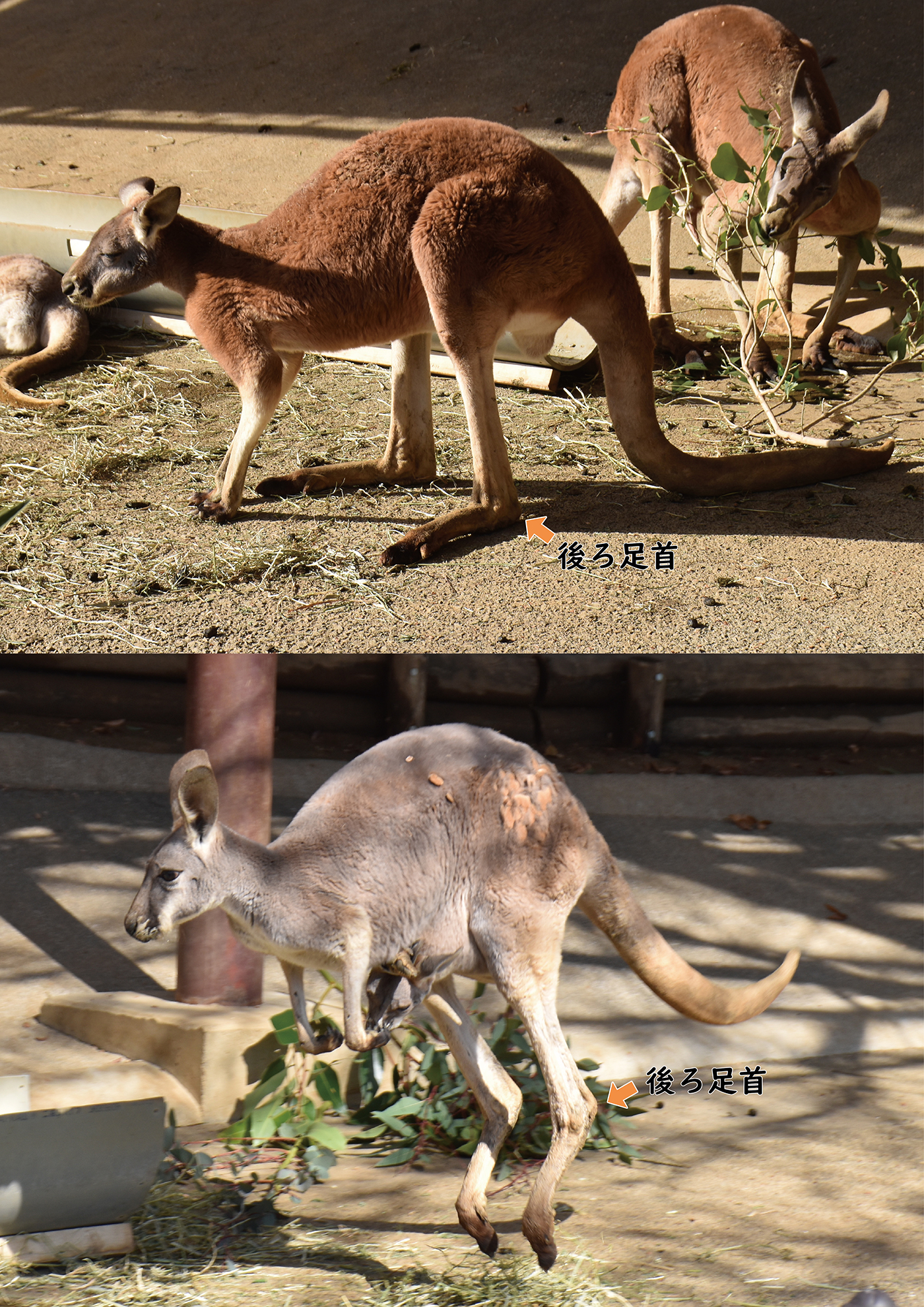
The mother's pouch is used to raise babies. marsupial It is a type of '. They live in herds on the grasslands of Australia. They move their hind legs simultaneously, not independently, to propel themselves forward.
Whether walking or running, the hind legs move forward simultaneously, not independently. When walking, the tail and front legs support the body while the left and right hind legs move forward at the same time. Even when standing up on only the hind legs, the tail supports the body.
When running, their front legs don't touch the ground; they propel themselves forward by jumping with their hind legs. To maintain balance with their upper body, which tends to lean forward, they extend their tails backward.

Oriental White Stork
-
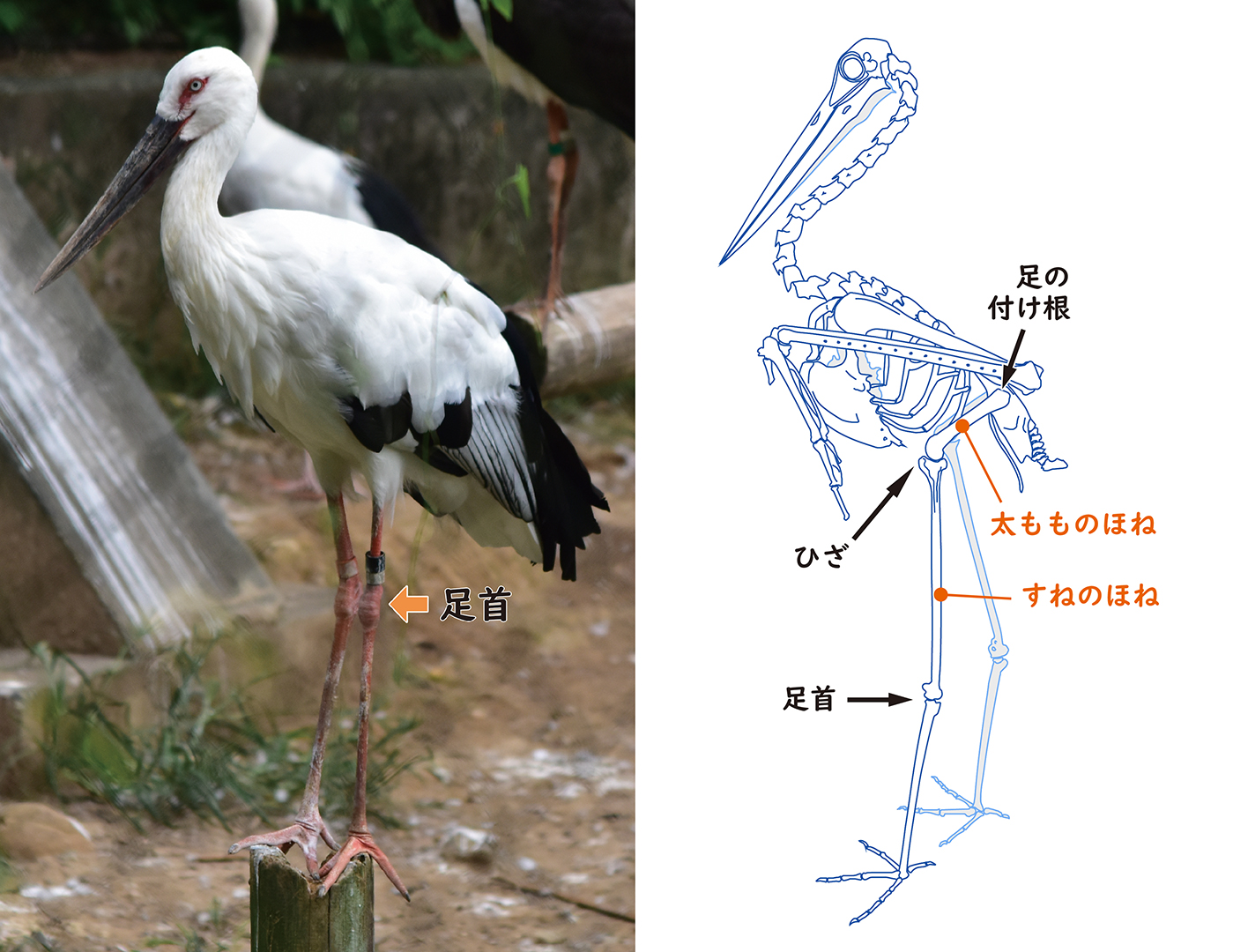
river wetland This bird lives in forests where there are trees. It feeds on fish, frogs, and insects near water and builds its nest in tall trees. An adult Oriental White Stork is about 1.1m from the top of its head to the tips of its toes, and its wingspan is about 2m.
-
Bone illustration: PDF
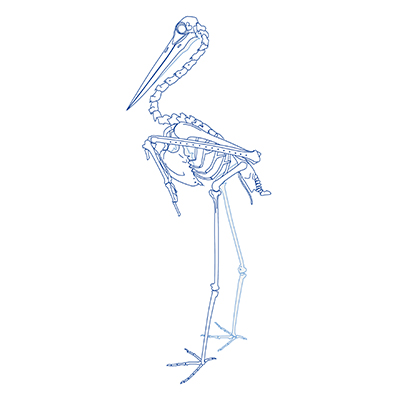
Birds have wings with feathers covering their forelegs, and they stand on their hind legs alone. However, they have the same bones and joints as mammals' forelegs and hind legs.
The thigh bone is very short and plays a supporting role close to the torso. The area below the knee is covered in feathers and is not easily visible.
Of Oriental White Stork 's legs, only the part below the knee is visible from the outside. The joint that bends backward is the ankle.